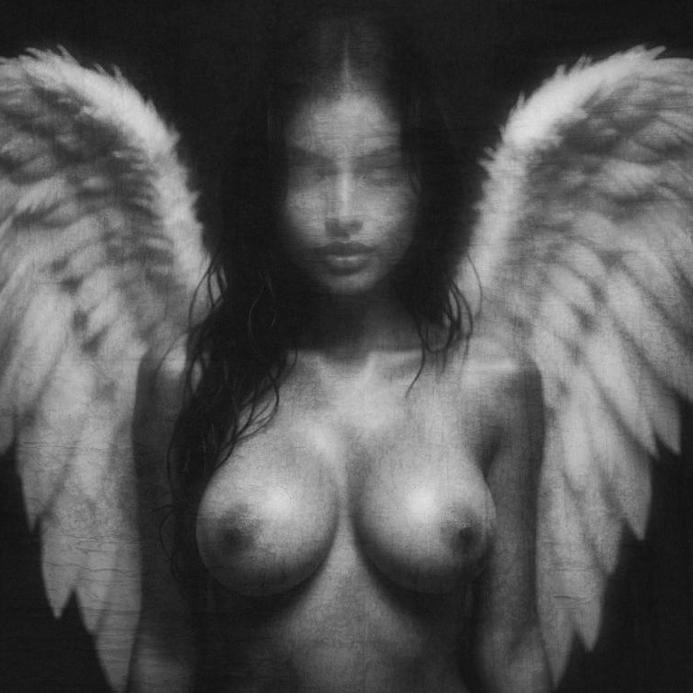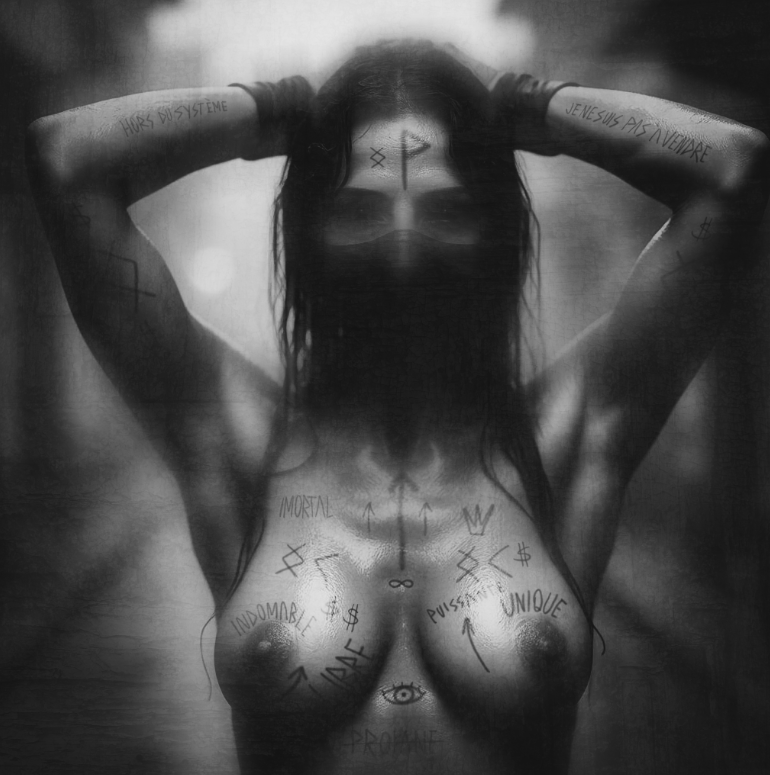
When we talk about artistic nude photography, we often get stuck between two extremes. On one side, there is the technical appreciation of light, form, and composition. On the other, there is the risk of reducing the image to mere curiosity. But there is a particular kind of photograph that escapes both. It is the black and white artistic nude, deliberately blurred, where the body stops being a body and becomes something more like a feeling.
These images do more than decorate a wall. They transform the spaces we live in. And to understand how, we need to look not only at aesthetics but at something deeper. We need to look at what Carl Jung called the soul.
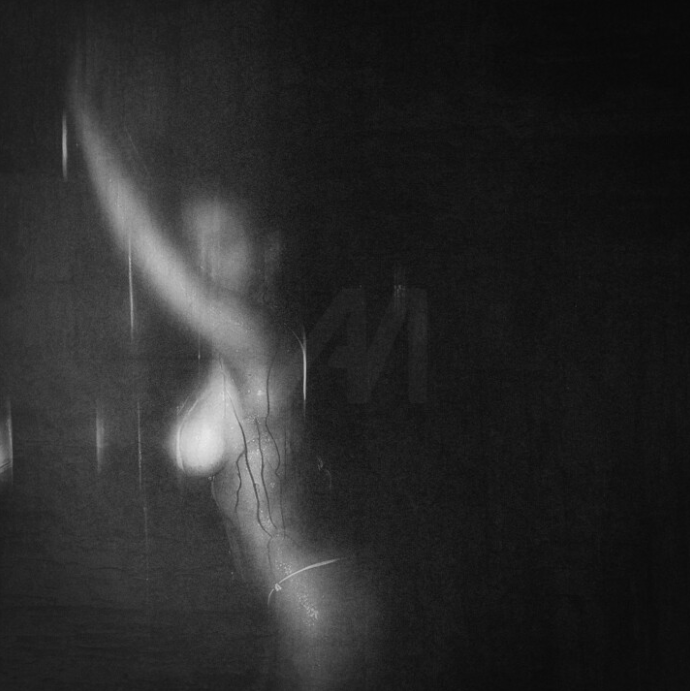
Ancestral Glow, Condemned Silence, Photography by Felipe Hueb | ArtMajeur
When an Image Does Not Define
Jung believed that our psyche is made of layers. On the surface is the ego, our conscious identity. It is sharp, defined, a lot like a high resolution photograph. But beneath it lies a vast world of images, instincts, and memories that do not obey logic. They obey emotion.
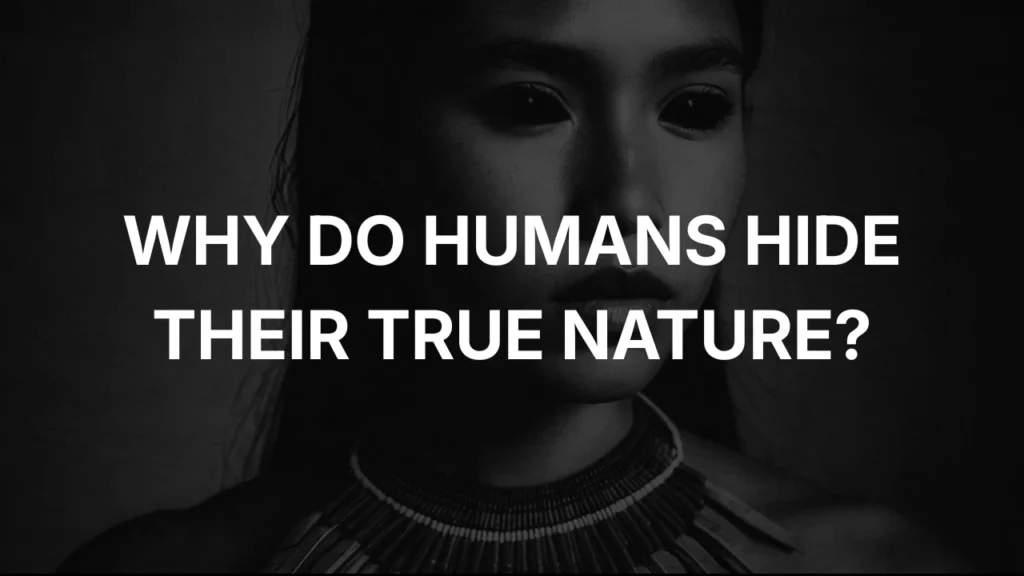
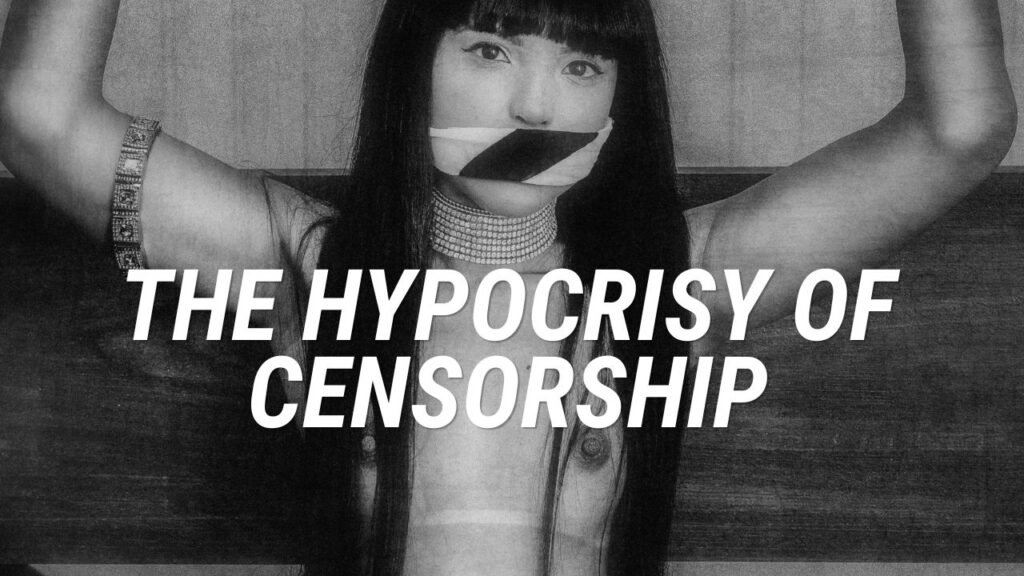
A blurred artistic nude does something interesting. It refuses to satisfy the ego’s need to name and classify. When the photographer removes sharpness, removes color, removes anatomical precision, they are not making a mistake. They are making an invitation.
Instead of telling you what to see, the image asks you how you feel. It becomes what Jung called a living symbol. A symbol does not point to a fixed meaning. It connects your conscious mind to something deeper inside you. It takes raw energy, the kind we often feel around nudity, and transforms it into something contemplative. Something beautiful. Something that does not need to be explained.
Bringing the Shadow into the Light
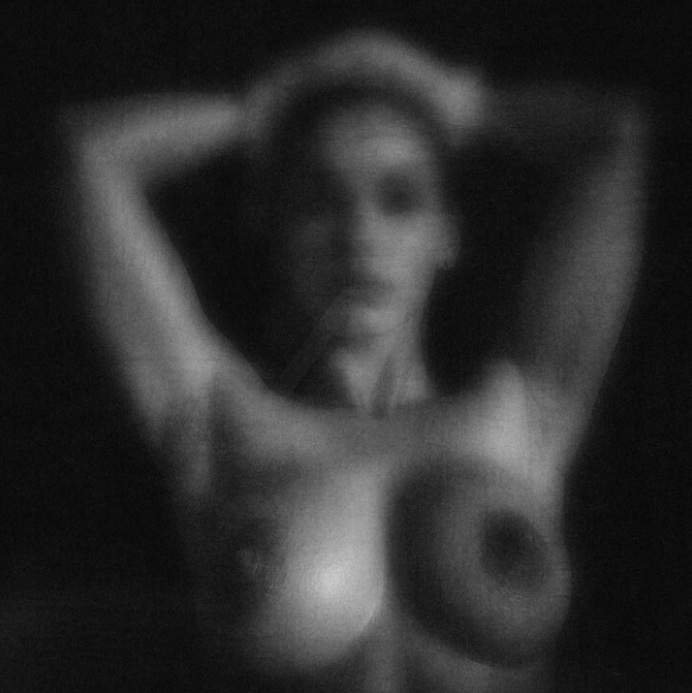
Voile De Commandement, Photography by Felipe Hueb | ArtMajeur
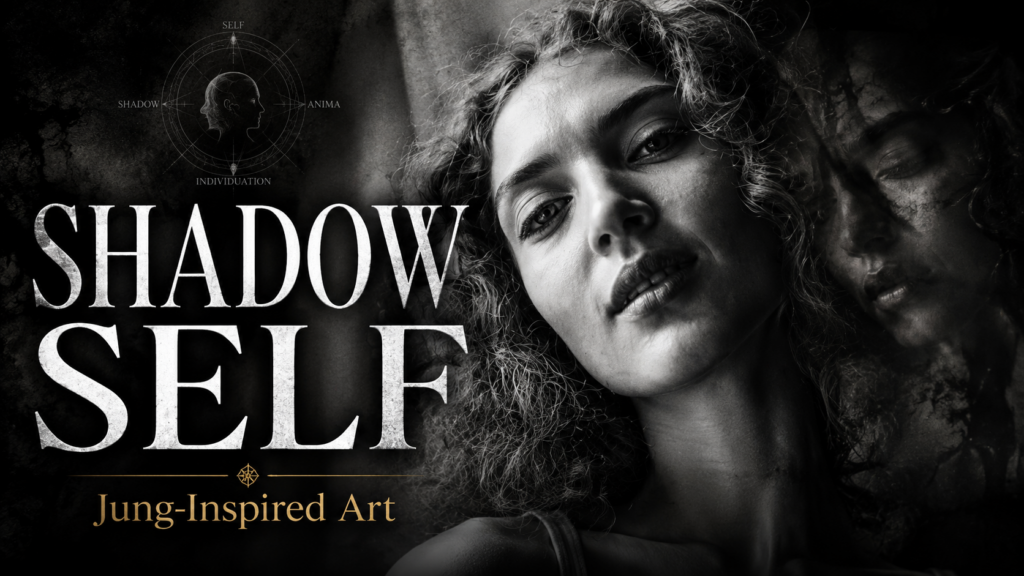
One of Jung’s most human concepts is the Shadow. It is not evil. It is simply everything we live but do not show. Our hidden vulnerabilities. Our instinctual nature. Our unspoken desires.
In our culture, the naked body is perhaps the greatest Shadow of all. We hide it. We learn to feel conflicted about it. It fascinates us and frightens us in equal measure.
A black and white artistic nude, especially when blurred, brings this Shadow into the open. But it does so gently. It does not expose. It reveals with tenderness.
When we hang such an image in our home, we are making a quiet statement. We are saying, “Here, the body is not something to be ashamed of. Here, vulnerability has a place. Here, what the world tells me to hide can simply be.”
This is what Jung called individuation. It is the process of becoming whole by welcoming all parts of ourselves, even the ones we were taught to keep in the dark. The blurred nude becomes a companion in that journey.
The Soul of a Room
Jung also spoke of the Anima, the image of the soul within each of us. It represents connection, relationship, the ability to feel and to relate. An artistic nude speaks directly to this part of us.
It does not speak to the analytical mind. That part wants labels and definitions. Instead, it speaks to sensitivity. It speaks to the part of us that recognizes beauty in what is incomplete, in what is suggested rather than stated.
A room that holds such an image becomes different. It becomes animated, in the deepest sense. It gains soul. A living room stops being just a functional space and becomes a place of quiet contemplation. A bedroom stops being just a private space and becomes something almost sacred.
Because an artistic nude, when it is real, is never about the body of the other person. It is about our own relationship with our body. With our own vulnerability. With a kind of beauty that does not need to be perfect to be true.
Why Black and White
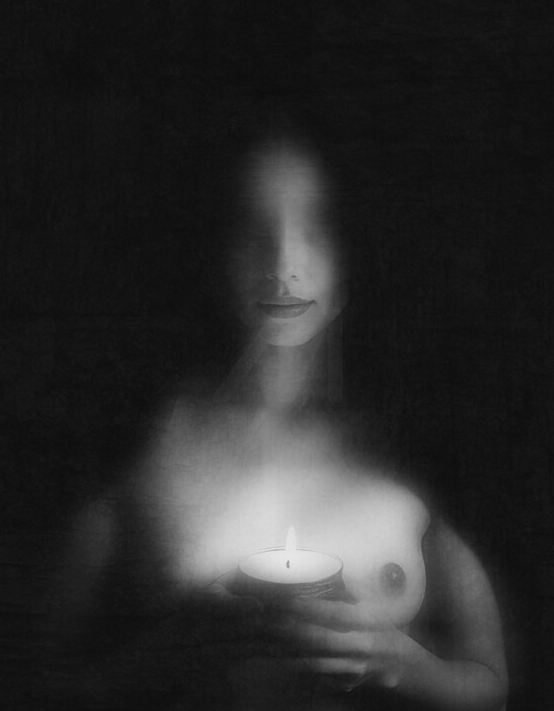
Lumen Within, Photography by Felipe Hueb | ArtMajeur
Why do we return to black and white? Color pulls us into the specific. It tells us the temperature of the skin, the time of day, the season. Black and white does something different. It abstracts. It removes the accidental details and leaves only what is essential.
Jung understood that the unconscious speaks in images, not in facts. Black and white photography, especially in the realm of the nude, speaks that same language. It strips away distraction and reveals form, texture, contrast. The raw materials of feeling.
When you add blur, something even more interesting happens. There is no fixed point to hold onto. The image does not let you settle into comfortable observation. It asks you to stay with uncertainty. And in that uncertainty, something real can happen.
More Than Decoration
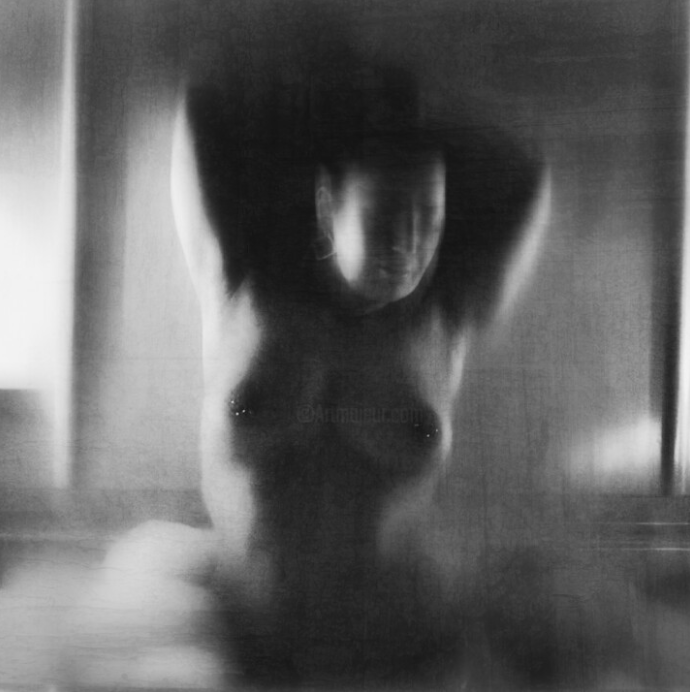
Phantom Of Desire (2025), Photography by Felipe Hueb | ArtMajeur
A conventional photograph decorates. A powerful image transforms. It does not just occupy space. It changes the quality of attention inside that space.
In a home office, a blurred artistic nude softens the rigidity of work. It brings a little eros into the world of logos. It reminds you that you are a body, not just a mind solving problems.
In a living room, it becomes a quiet anchor. It invites conversation not about technique but about feeling. About what it means to be human.
In a bedroom, it deepens intimacy. Not through explicit display, but through the quiet suggestion that vulnerability, tenderness, and the mystery of the other are honored here.
Jung believed that the symbols that last are the ones that answer a deep human need. The need to find, in the world outside, an image for what lives inside us and still has no name.
The blurred black and white artistic nude is such an image. It transforms a room not because it is technically impressive, but because it resonates. It meets something already there inside you. Something waiting to be acknowledged. The acceptance of mystery. The reconciliation with your own body. The courage to be vulnerable.
An Image That Lets You Breathe
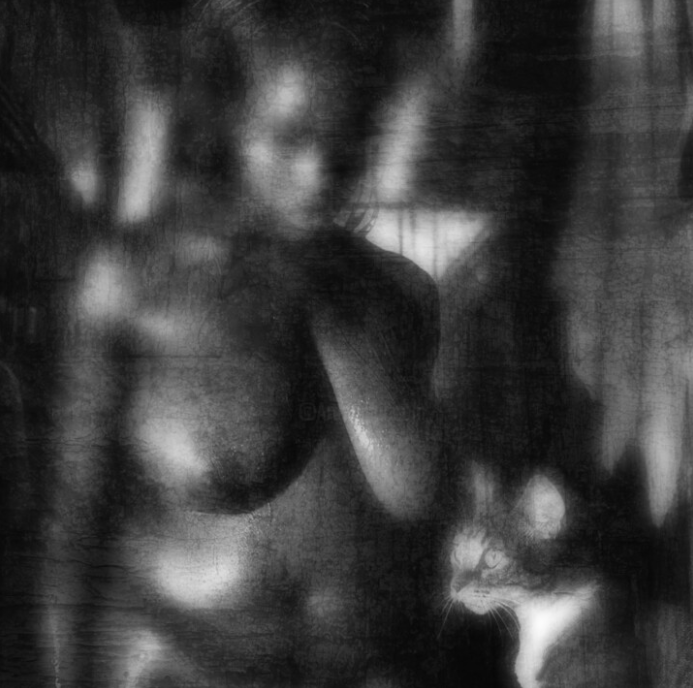
Whisper Of The Familiar, Photography by Felipe Hueb | ArtMajeur
We live surrounded by sharp images. Everywhere we look, something is demanding our attention, insisting on its meaning. Social media, advertising, notifications. All of them asking us to react.
The blurred artistic nude offers something rare. It gives you permission to stop defining and start breathing. It does not tell you what to see. It asks you what you feel.
And in that question, a room becomes more than a room. It becomes a space where you can be present. Where you can remember that before you are your job, your roles, your responsibilities, you are a body in motion. A being of light and shadow. A soul in the slow process of becoming.
To hang such an image is not just to buy art. It is to invite your own depths into your daily life. It is to make space for the parts of you that usually stay hidden. It is to create a small sanctuary where your soul, in all its vulnerability, can feel at home.
by Felipe Hueb
Private Creative Archive
Go Deeper Inside Hueb Arts Private Membership
Unlock private photo retouching videos, fine art editing workflows, Camera Raw presets, PDF manuals, visual studies and exclusive creative tools created for photographers, retouchers, visual artists and image creators.
- Private Photoshop retouching tutorials
- Fine art photography editing workflows
- Camera Raw presets and PDF manuals
- Exclusive visual studies and creative tools
Photo retouching, fine art editing and uncensored creative workflows.