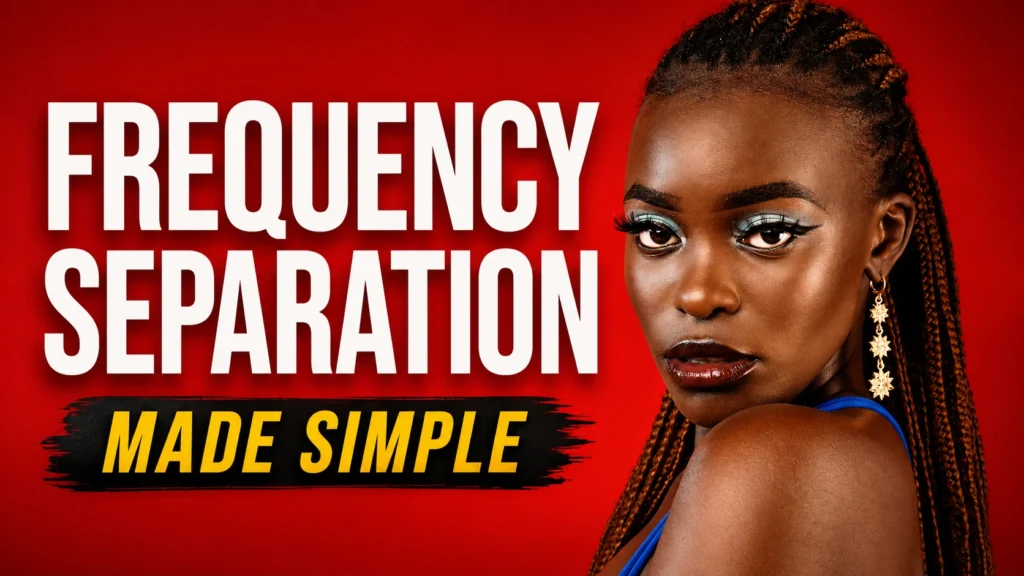
# Frequency Separation Made Simple: Professional Skin Retouching in Photoshop In this video, I will teach you, directly and without wasting time, how to use **frequency separation in Photoshop** for professional skin retouching. This technique is widely used in **beauty retouching, portrait editing, adult photo retouching, fashion photography, and professional photography workflows** because it allows you to correct skin imperfections while preserving natural skin texture. For more advanced Photoshop tutorials, beauty editing, adult retouching techniques, and professional photography workflows, subscribe to **HUEB ARTS PRIVATE MEMBERSHIP**. ## What Is Frequency Separation? Frequency separation is a Photoshop retouching technique that separates an image into two layers: **Color Layer** This layer controls tones, colors, transitions, shadows, and highlights. **Texture Layer** This layer preserves skin pores, fine details, texture, hair, and surface imperfections. By separating color and texture, you can retouch the skin without making it look artificial, plastic, or overedited. ## Step 1: Duplicate the Layer First, duplicate the original image layer twice. Use the shortcut: **Ctrl + J** Rename the first duplicated layer: **COLOR** Rename the second duplicated layer: **TEXTURE** The COLOR layer will be used to smooth tonal transitions, while the TEXTURE layer will preserve the natural details of the skin. ## Step 2: Work on the Color Layer Now, turn off the visibility of the TEXTURE layer and select the COLOR layer. Go to: **Filter > Noise > Dust & Scratches** Adjust the value until the model’s skin tones become smoother, but the main facial structure is still recognizable. In this example, a value around **27** works well. The goal is not to blur the image completely. The goal is to soften the color transitions while keeping the overall shape of the face visible. ## Step 3: Apply Image to the Texture Layer Now, turn the TEXTURE layer back on and select it. Go to: **Image > Apply Image** Use the COLOR layer as the source. Set the blending mode to: **Subtract** Then use: **Scale: 2** **Offset: 128** After applying these settings, change the blending mode of the TEXTURE layer to: **Linear Light** Now the image should look normal again, but the color and texture are separated into two different layers. ## Step 4: Retouch the Texture Select the TEXTURE layer. Choose the Clone Stamp Tool. Set the sample mode to: **Current Layer** Now, hold **Alt** and click on an area of clean skin texture that you want to use as a source. Then carefully paint over the areas you want to correct. This allows you to remove small imperfections while keeping the skin texture natural and realistic. ## The Final Result After just a few minutes of work, we now have a cleaner portrait with a natural texture, not an artificial one. This is the real power of frequency separation in Photoshop. It gives you control over skin retouching while preserving the details that make the image feel real. This technique is ideal for: Beauty retouching Portrait retouching Fashion photography editing Adult photo retouching Professional skin retouching Photoshop retouching workflows High-end photography editing ## Watch the Full Tutorial In the full video, you can follow the entire process step by step and see how frequency separation can improve the final quality of a portrait without destroying the natural texture of the skin. If you enjoyed this tutorial, leave a like and subscribe to the channel. See you next time. ## Suggested Tags frequency separation photoshop, photoshop skin retouching, beauty retouching tutorial, professional skin retouching, portrait retouching photoshop, high end retouching, photoshop tutorial, frequency separation tutorial, adult photo retouching, beauty editing, photography editing workflow, natural skin texture photoshop, retouching tutorial for photographers, photoshop beauty editing, skin texture retouching

Frequency Separation: Master Professional Skin Retouching With This Photoshop Technique

Frequency Separation Made Simple: Professional Skin Retouching in Photoshop In this video, I will teach you, directly and without wasting time, how to use frequency separation in Photoshop for professional skin retouching. This technique is widely used in beauty retouching, portrait editing, adult photo retouching, fashion photography, and professional photography workflows because it allows you […]

Frequency Separation: Master Professional Skin Retouching With This Photoshop Technique Read More »

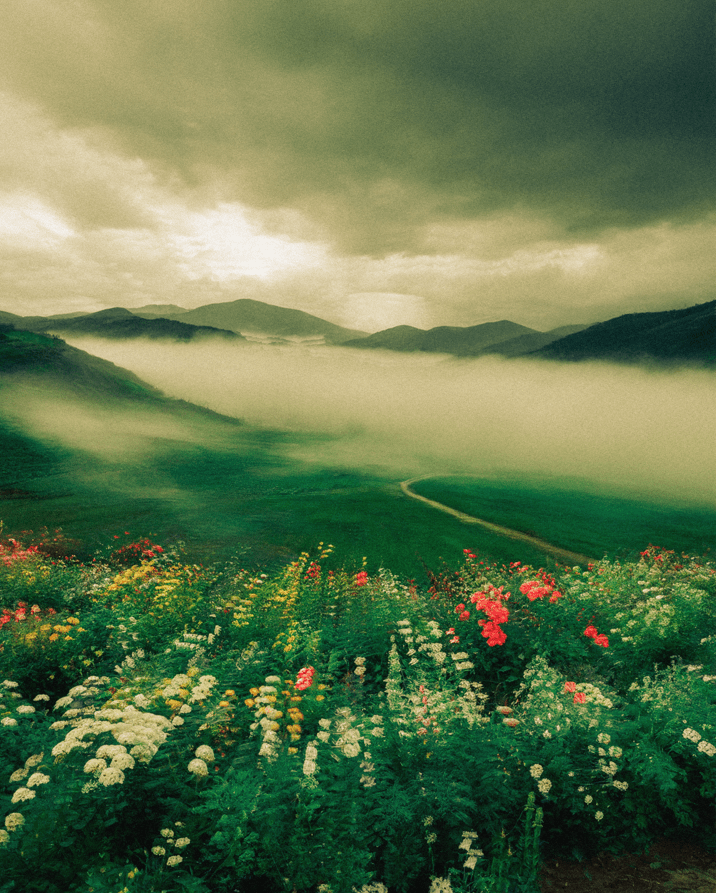
Photoshop Retouching Cinematic Look Tutorial

Cinematic Depth in Beauty Photography

In this video, we’ll walk through how to edit photo using Adobe Photoshop. You’ll learn various techniques for enhancing your portrait photography, making your images stand out. This photoshop tutorial covers essential photo editing steps to achieve a polished look, including how to smooth skin in photoshop and professional skin retouching photoshop tutorial techniques. For

Cinematic Depth in Beauty Photography Read More »

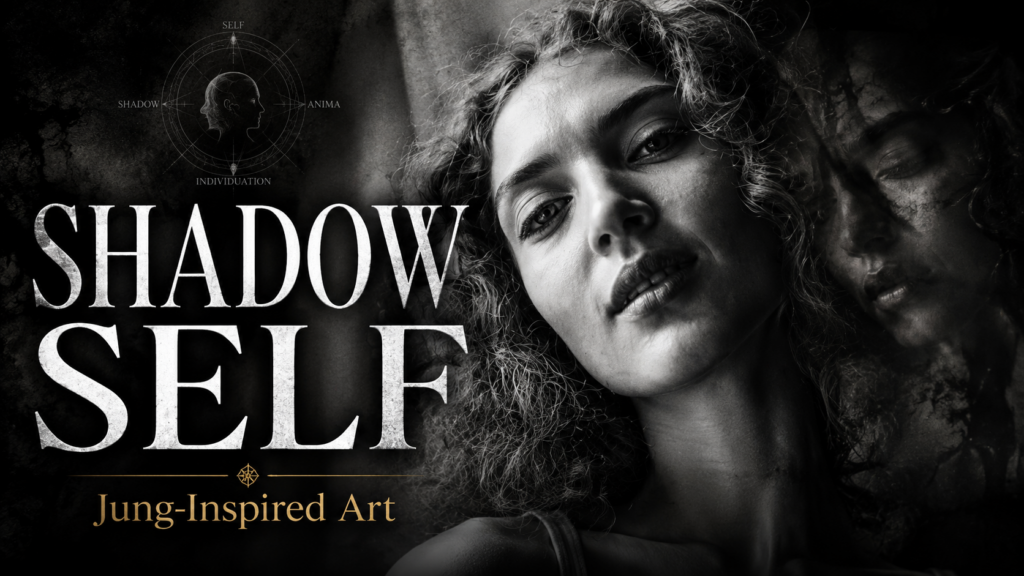
As I create this image, I am not only working on light, contrast, texture, and form. I am trying to reveal something that exists inside every human being. We like to believe that we are simple. That we are one single thing. Good, controlled, rational, civilized. But the truth is more uncomfortable than that. There is the part of us that we show to the world. The polite part. The elegant part. The acceptable part. The version that knows how to behave, how to smile, how to speak, how to hide discomfort, anger, desire, fear, and insecurity. Carl Jung called this the persona. The persona is the mask we use to move through society. It is not always false. Sometimes it is necessary. Without a mask, social life would become almost impossible. We need some form of control. We need some form of adaptation. But the danger begins when we forget that the mask is only a mask. Because behind it, there is another force. A deeper force. A darker force. A part of us that does not disappear just because we refuse to look at it. Jung called this part the shadow. The shadow is everything we reject in ourselves. Everything we hide, repress, deny, or pretend not to feel. It can contain anger. Envy. Vanity. Fear. Desire. Cruelty. Weakness. The hunger for power. The need to be seen. The instincts we try to bury because they disturb the image we want to present to others. But the shadow is not simply evil. That is too simplistic. The shadow can also contain strength, creativity, intensity, courage, sensuality, instinct, and truth. Sometimes, the very thing we call darkness is just a part of ourselves that was never allowed to exist. This is what I wanted to explore in this artwork. The face is not only a face. The body is not only a body. The image is not only an aesthetic object. It is a psychological space. The softness of the figure contrasts with something heavier beneath the surface. The gaze, the shadows, the grain, the tension in the black and white tones, they all suggest that something is being revealed and hidden at the same time. That is how the human psyche works. We reveal ourselves in fragments. We hide ourselves in symbols. We perform control while something inside us remains wild. And if we ignore that wild part for too long, it does not vanish. It grows. It begins to act through us without permission. It appears in sudden reactions. In silent resentment. In obsession. In judgment. In the way we attack in others exactly what we are afraid to recognize in ourselves. The monster inside us is not born because we have a shadow. The monster is born when we refuse to face it. For Jung, the goal was never to destroy the shadow. That would be impossible. The goal is to integrate it. To look at it directly. To understand it. To accept that we are not made only of light, purity, and virtue. We are also made of conflict. And maybe that is where real maturity begins. Not in pretending to be good all the time, but in knowing that darkness exists inside us and still choosing what to do with it. As I work on this image, I want the viewer to feel that tension. The beauty is there, but it is not innocent. The silence is there, but it is not empty. The face is calm, but the atmosphere is charged with something deeper. This is why black and white photography is so powerful for this kind of work. Without the distraction of color, the image becomes more psychological. Light becomes confession. Shadow becomes memory. Texture becomes emotion. Every contrast in the image becomes a metaphor. The visible and the hidden. The mask and the instinct. The beauty and the disturbance. The human being and the animal beneath the skin. Art allows us to approach these truths without explaining them too much. Before we understand an image, we feel it. Before the mind creates a story, the unconscious has already responded. That is what interests me. Not decoration. Not perfection. Not beauty without consequence. I am interested in images that reveal what people try to hide. Because we all wear masks. Every day. But the shadow is always present. And if we do not learn to live with it, if we do not learn to recognize it, if we do not give it a place in consciousness, it will find another way to speak. And when it speaks from the darkness, it rarely asks for permission. This artwork is about that moment. The moment when the mask begins to crack. The moment when the hidden part looks back at us. And perhaps, for the first time, we stop running from what we are.

The Psychology Behind Dark Portrait Art | Jung-Inspired Fine Art Process

As I create this image, I am not only working on light, contrast, texture, and form. I am trying to reveal something that exists inside every human being. We like to believe that we are simple. That we are one single thing. Good, controlled, rational, civilized. But the truth is more uncomfortable than that. There

The Psychology Behind Dark Portrait Art | Jung-Inspired Fine Art Process Read More »

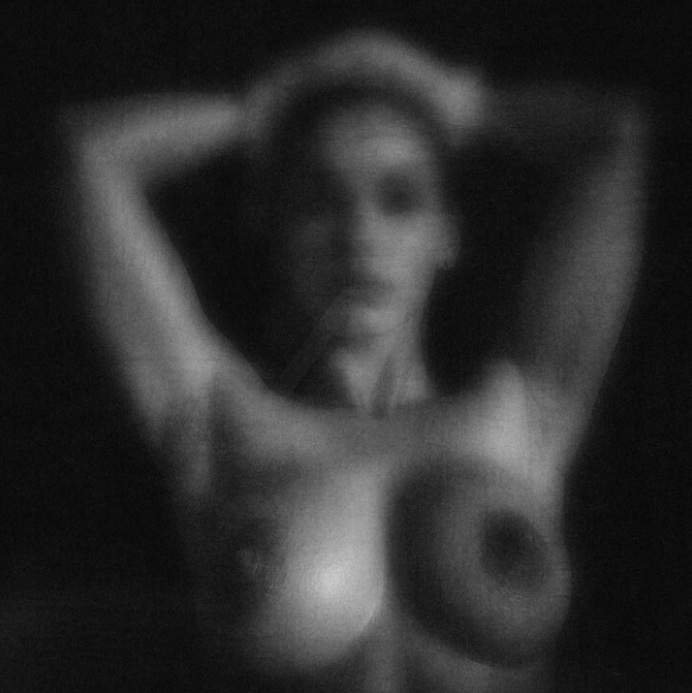
Black and white artistic nude photography with soft focus, showing abstract human form in shadow and light.

The Power of Black and White Artistic Nude Photography: Archetypes, Shadow, and the Transformation of Space

When we talk about artistic nude photography, we often get stuck between two extremes. On one side, there is the technical appreciation of light, form, and composition. On the other, there is the risk of reducing the image to mere curiosity. But there is a particular kind of photograph that escapes both. It is the

The Power of Black and White Artistic Nude Photography: Archetypes, Shadow, and the Transformation of Space Read More »

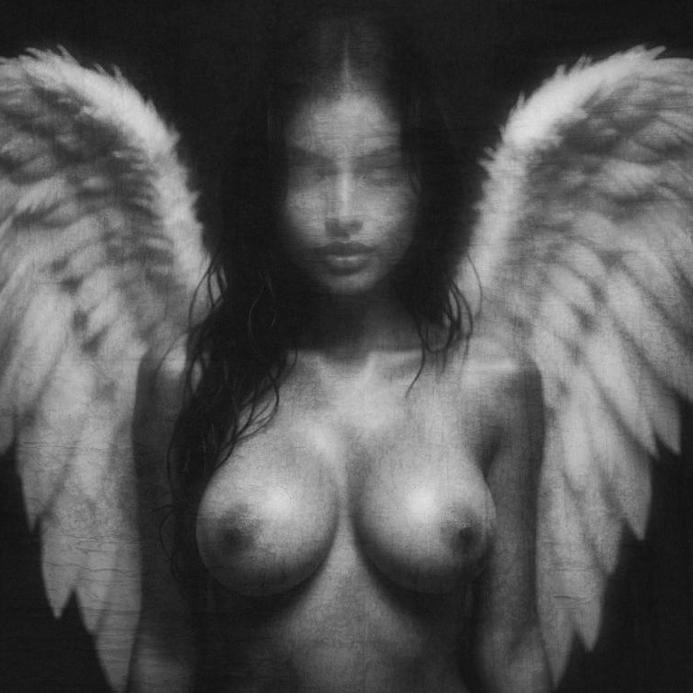
Discover The Angel Who Refuses Heaven, a surreal angel fine art print on museum grade RAG paper, created for collectors who seek haunting beauty.

The Angel Who Refuses Heaven Surreal Angel Art For Collectors

A Figure Between Purity And Rebellion The figure stands still under a fractured and deliberate light. At the same time, her body remains undeniably human, grounded and tangible. However, the wings behind her seem to belong to another dimension, expanding outward like a silent rupture of space. Instead of guiding or protecting, she confronts the

The Angel Who Refuses Heaven Surreal Angel Art For Collectors Read More »

Echoes of Restraint Surreal Erotic Fine Art Photography for Sale

Echoes of Restraint: Surreal Erotic Fine Art Photography For Collectors

Surreal erotic fine art photography is not about shock value. It is about psychological tension that stays in the mind long after the first glance. In Echoes of Restraint, two female figures appear almost fused into one body, suspended in darkness, their arms raised, their faces partially hidden behind futuristic goggles. The scene is blurred

Echoes of Restraint: Surreal Erotic Fine Art Photography For Collectors Read More »

erotic fine art photography for sale, bdsm erotic art print, leather mask photography, dark erotic wall art, fine art nude photography for sale, submissive female portrait, sensual black and white print, erotic fine art for collectors, fetish photography art, fine art erotic surrealism, erotic conceptual photography, domination themed art, bdsm symbolism art print

Ritual of Submission: The Silent Power Behind Erotic Fine Art Photography

Erotic fine art photography for sale rarely confronts the viewer with the full weight of psychological tension. Most erotic imagery seeks to please, seduce or entertain, but Ritual of Submission (2025) operates on an entirely different axis. This artwork evokes conflict, surrender and subconscious desire through symbolic restraint, concealed identity and the interplay between light

Ritual of Submission: The Silent Power Behind Erotic Fine Art Photography Read More »

Scroll to Top