Professional beauty retouching is not about changing a person. It is about controlling the visual language of the image. In this new free video on my Patreon, I show a complete Beauty Photoshop Retouch workflow focused on three essential elements: skin, light and color. These three decisions can completely change how a photograph is perceived. A sensual portrait can look amateur, flat or visually noisy when the skin texture is uncontrolled, the light has no direction and the color feels disconnected from the mood of the image. But when these elements are treated with precision, the photograph gains presence, elegance and impact. What You Will See in This Retouching Video In this Photoshop retouching session, I work on a beauty image with a sensual editorial atmosphere. The process focuses on refining the photograph without destroying its natural appeal. The video covers: Skin retouching with attention to texture, tone and visual cleanliness. Light control to improve dimension, highlights and facial structure. Color grading to create a more luxurious and polished beauty photography finish. The goal is to make the image feel more intentional, more refined and more visually powerful, while keeping the model recognizable and preserving the emotional quality of the original portrait. Why Skin Retouching Matters Skin is one of the first things the viewer notices in beauty photography, lingerie photography and sensual model portraits. Poor retouching can make the skin look plastic, artificial or lifeless. Professional skin retouching requires balance. The image must look polished, but still believable. Texture matters. Shadows matter. Small transitions between light and skin tone matter. In the video, I show how subtle adjustments can clean the image while maintaining a high-end photographic look. Light and Color Are What Create the Mood Many people think retouching is only about removing imperfections. That is a limited view. In professional photo editing, light and color are just as important as skin work. Light gives structure to the face and body. Color creates atmosphere, emotion and visual identity. A warmer tone can make the image feel more intimate. Stronger contrast can make it more cinematic. Controlled highlights can create a luxury beauty photography effect. The right color grading can turn a simple portrait into a more editorial and sensual image. Watch the Full Video for Free I made this video available for free on my Patreon so photographers, retouchers, models and beauty photography enthusiasts can see the full retouching process behind the final image. Watch the full free video here: [insert your Patreon link here] If you are interested in beauty Photoshop retouching, model retouching, sensual photoshoot editing, skin retouching, lingerie photo editing, glamour retouching or high-end portrait retouching, this video will show you how small technical decisions can create a much stronger final image.

Beauty Photoshop Retouch: Lingerie Model

Professional beauty retouching is not about changing a person. It is about controlling the visual language of the image. In this new free video on my Patreon, I show a complete Beauty Photoshop Retouch workflow focused on three essential elements: skin, light and color. These three decisions can completely change how a photograph is perceived. […]

Beauty Photoshop Retouch: Lingerie Model Read More »

Photoshop Retouching Cinematic Look Tutorial

Cinematic Depth in Beauty Photography

In this video, we’ll walk through how to edit photo using Adobe Photoshop. You’ll learn various techniques for enhancing your portrait photography, making your images stand out. This photoshop tutorial covers essential photo editing steps to achieve a polished look, including how to smooth skin in photoshop and professional skin retouching photoshop tutorial techniques. For

Cinematic Depth in Beauty Photography Read More »

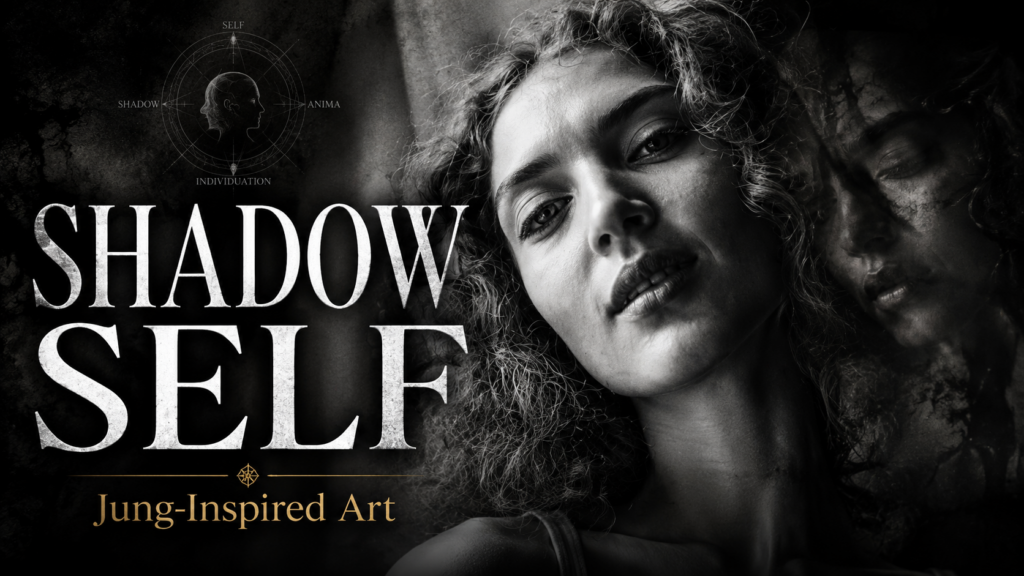
As I create this image, I am not only working on light, contrast, texture, and form. I am trying to reveal something that exists inside every human being. We like to believe that we are simple. That we are one single thing. Good, controlled, rational, civilized. But the truth is more uncomfortable than that. There is the part of us that we show to the world. The polite part. The elegant part. The acceptable part. The version that knows how to behave, how to smile, how to speak, how to hide discomfort, anger, desire, fear, and insecurity. Carl Jung called this the persona. The persona is the mask we use to move through society. It is not always false. Sometimes it is necessary. Without a mask, social life would become almost impossible. We need some form of control. We need some form of adaptation. But the danger begins when we forget that the mask is only a mask. Because behind it, there is another force. A deeper force. A darker force. A part of us that does not disappear just because we refuse to look at it. Jung called this part the shadow. The shadow is everything we reject in ourselves. Everything we hide, repress, deny, or pretend not to feel. It can contain anger. Envy. Vanity. Fear. Desire. Cruelty. Weakness. The hunger for power. The need to be seen. The instincts we try to bury because they disturb the image we want to present to others. But the shadow is not simply evil. That is too simplistic. The shadow can also contain strength, creativity, intensity, courage, sensuality, instinct, and truth. Sometimes, the very thing we call darkness is just a part of ourselves that was never allowed to exist. This is what I wanted to explore in this artwork. The face is not only a face. The body is not only a body. The image is not only an aesthetic object. It is a psychological space. The softness of the figure contrasts with something heavier beneath the surface. The gaze, the shadows, the grain, the tension in the black and white tones, they all suggest that something is being revealed and hidden at the same time. That is how the human psyche works. We reveal ourselves in fragments. We hide ourselves in symbols. We perform control while something inside us remains wild. And if we ignore that wild part for too long, it does not vanish. It grows. It begins to act through us without permission. It appears in sudden reactions. In silent resentment. In obsession. In judgment. In the way we attack in others exactly what we are afraid to recognize in ourselves. The monster inside us is not born because we have a shadow. The monster is born when we refuse to face it. For Jung, the goal was never to destroy the shadow. That would be impossible. The goal is to integrate it. To look at it directly. To understand it. To accept that we are not made only of light, purity, and virtue. We are also made of conflict. And maybe that is where real maturity begins. Not in pretending to be good all the time, but in knowing that darkness exists inside us and still choosing what to do with it. As I work on this image, I want the viewer to feel that tension. The beauty is there, but it is not innocent. The silence is there, but it is not empty. The face is calm, but the atmosphere is charged with something deeper. This is why black and white photography is so powerful for this kind of work. Without the distraction of color, the image becomes more psychological. Light becomes confession. Shadow becomes memory. Texture becomes emotion. Every contrast in the image becomes a metaphor. The visible and the hidden. The mask and the instinct. The beauty and the disturbance. The human being and the animal beneath the skin. Art allows us to approach these truths without explaining them too much. Before we understand an image, we feel it. Before the mind creates a story, the unconscious has already responded. That is what interests me. Not decoration. Not perfection. Not beauty without consequence. I am interested in images that reveal what people try to hide. Because we all wear masks. Every day. But the shadow is always present. And if we do not learn to live with it, if we do not learn to recognize it, if we do not give it a place in consciousness, it will find another way to speak. And when it speaks from the darkness, it rarely asks for permission. This artwork is about that moment. The moment when the mask begins to crack. The moment when the hidden part looks back at us. And perhaps, for the first time, we stop running from what we are.

The Psychology Behind Dark Portrait Art | Jung-Inspired Fine Art Process

As I create this image, I am not only working on light, contrast, texture, and form. I am trying to reveal something that exists inside every human being. We like to believe that we are simple. That we are one single thing. Good, controlled, rational, civilized. But the truth is more uncomfortable than that. There

The Psychology Behind Dark Portrait Art | Jung-Inspired Fine Art Process Read More »

Scroll to Top