The Emotional Code: How Art Unlocks the Hidden Corners of the Human Soul

Did you know that art can evoke powerful emotions that change our entire perspective on life?

This is not a poetic exaggeration — it’s a neurological, psychological, and symbolic truth. Whether it’s a solitary figure on canvas, a surreal landscape, or a provocative nude captured in shadow and light, great art bypasses logic and speaks directly to your subconscious. And that emotional code, when deciphered, reveals more about humanity than any spoken language ever could.

The Secret Language of Emotion in Art

Every collector knows that some pieces whisper, while others scream. But why do certain artworks seem to reach into our chest and twist something deep within us — even when we don’t fully understand them?

Art isn’t just decoration. It’s a coded message that unlocks what we can’t always express. In a world saturated with data, logic, and superficial impressions, emotional art becomes a rare portal into something real.

For collectors, this emotional resonance is often what separates an object of desire from a true masterpiece. And for artists, it’s the very reason we create.

Silent Guardian luxury art and exclusive jpg

The Invisible Problem: Why Emotional Impact Is Overlooked

In art galleries and online platforms, the conversation is often about medium, size, and technique. But what about emotional impact?

Many collectors, curators, and even artists themselves struggle to articulate what a piece “feels like.” We talk about composition, color theory, or symbolism, but the emotional core — the reason we remember a piece, the reason we buy it — is often brushed aside as subjective, irrational, or impossible to quantify.

But here’s the truth: emotion is the most powerful force in art investment. It’s what drives long-term value. It’s what creates obsession. It’s what makes people return to a gallery, again and again, haunted by a single image.

Ignoring this emotional layer means missing the essence of what makes a work truly collectible.

How Different Forms of Art Tap Into Our Emotions

Let’s explore how various mediums capture human emotion — and why they leave lasting imprints.

1. Photography: The Frozen Intimacy

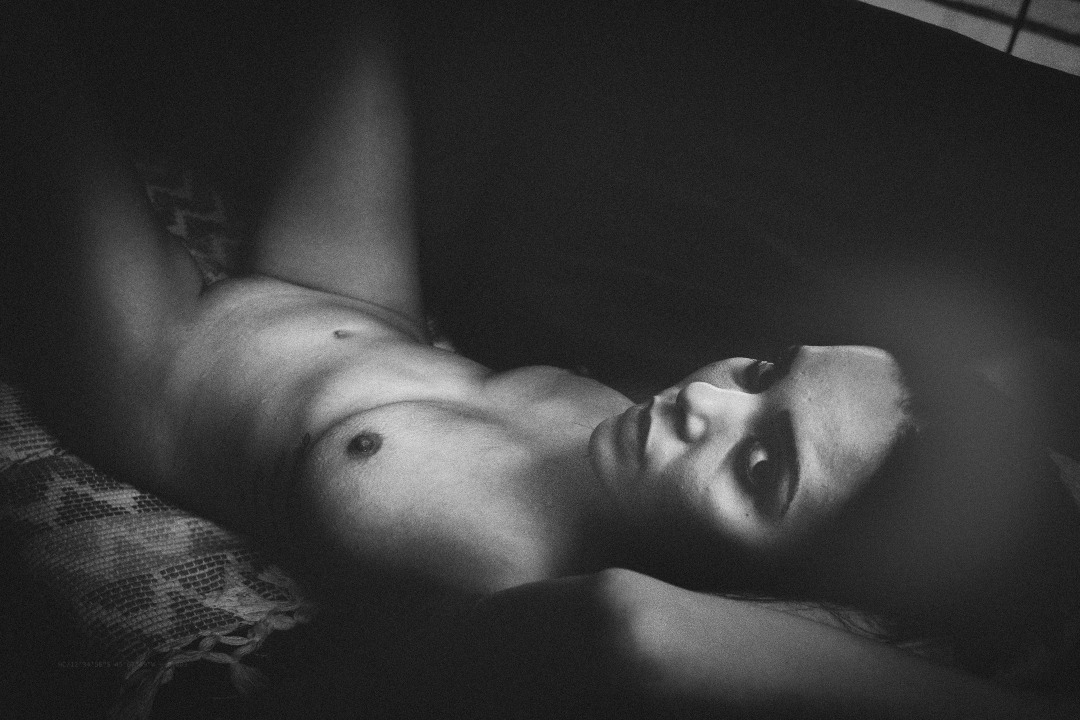
In fine art photography, especially erotic or symbolic work like that of Hueb Arts, emotion often resides in subtle gestures — a half-covered face, the curve of a back, a cigarette held in tension. These are not just aesthetic choices. They are emotional triggers that pull the viewer into a narrative. The image becomes a mirror, reflecting something unspoken in the observer.

Example:
“Silent Allure” — one of the most provocative photographs by Felipe Hueb — captures a moment of restrained desire and feminine power. It’s not explicit. It’s not loud. But it leaves the viewer with a lingering feeling of unresolved tension. That’s the emotional key.

2. Abstract and Mixed Media: Emotion Through Chaos

Unlike realism, abstract art removes the need for representation. This is precisely what makes it powerful. When stripped of identity, gender, and form, the artwork becomes a direct emotional imprint — a raw expression of the artist’s subconscious.

This is especially true in works created with AI and symbolic collage, where unexpected textures, patterns, and archetypes collide. The viewer’s mind is forced to project meaning — and this projection often reveals more about the viewer than the art itself.

Collectors who understand this emotional mirror effect often seek abstract works for their personal resonance rather than aesthetic perfection.

3. Symbolism and Jungian Archetypes: The Collective Unconscious

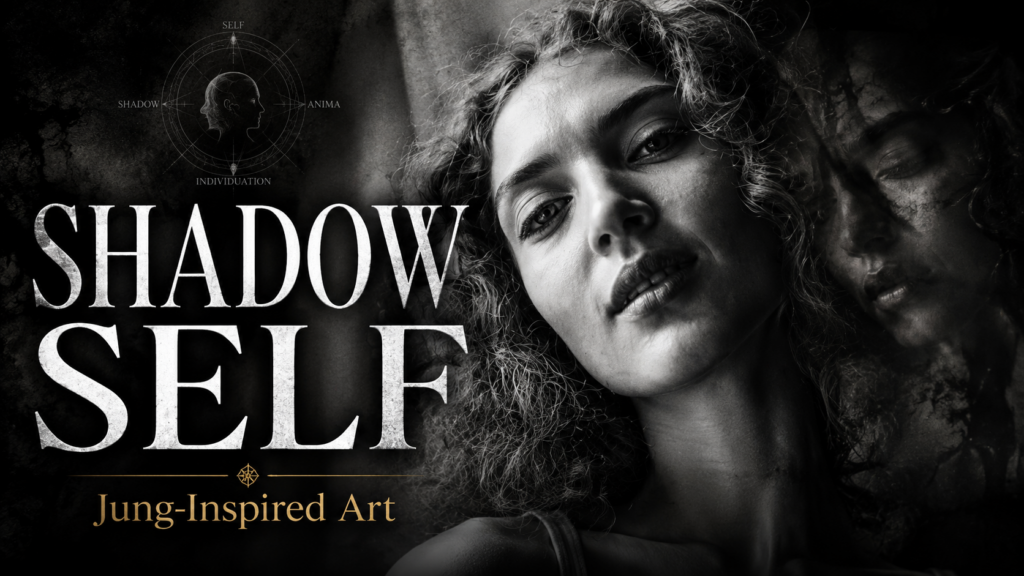
At Hueb Arts, many artworks follow what we call the Hueb Approach — a method grounded in neuroaesthetics and Jungian psychology. This means every piece is layered with symbols intentionally designed to awaken the collective unconscious.

A snake may represent desire or danger. A mirror may signal vanity or self-awareness. The female form, central in many pieces, becomes not just erotic but archetypal — a representation of the anima, the mystery, the source.

This symbolic weight is why certain images “stick” with viewers for weeks, or even years. It’s not just about what they see. It’s about what the image awakens.

The Climax: The Universal Language That Needs No Words

Here’s the key insight: emotion in art is universal.

A collector in France and one in Brazil may see the same image and feel the same ache — even if they speak different languages, hold different beliefs, or never meet. That’s the power of visual art. It transcends borders, politics, and time.

It’s the only language that speaks to the animal, the dreamer, and the divine in us, all at once.

And this is precisely why emotionally charged artworks are so highly valued in today’s fine art market. They create connection. They create memory. They create need.

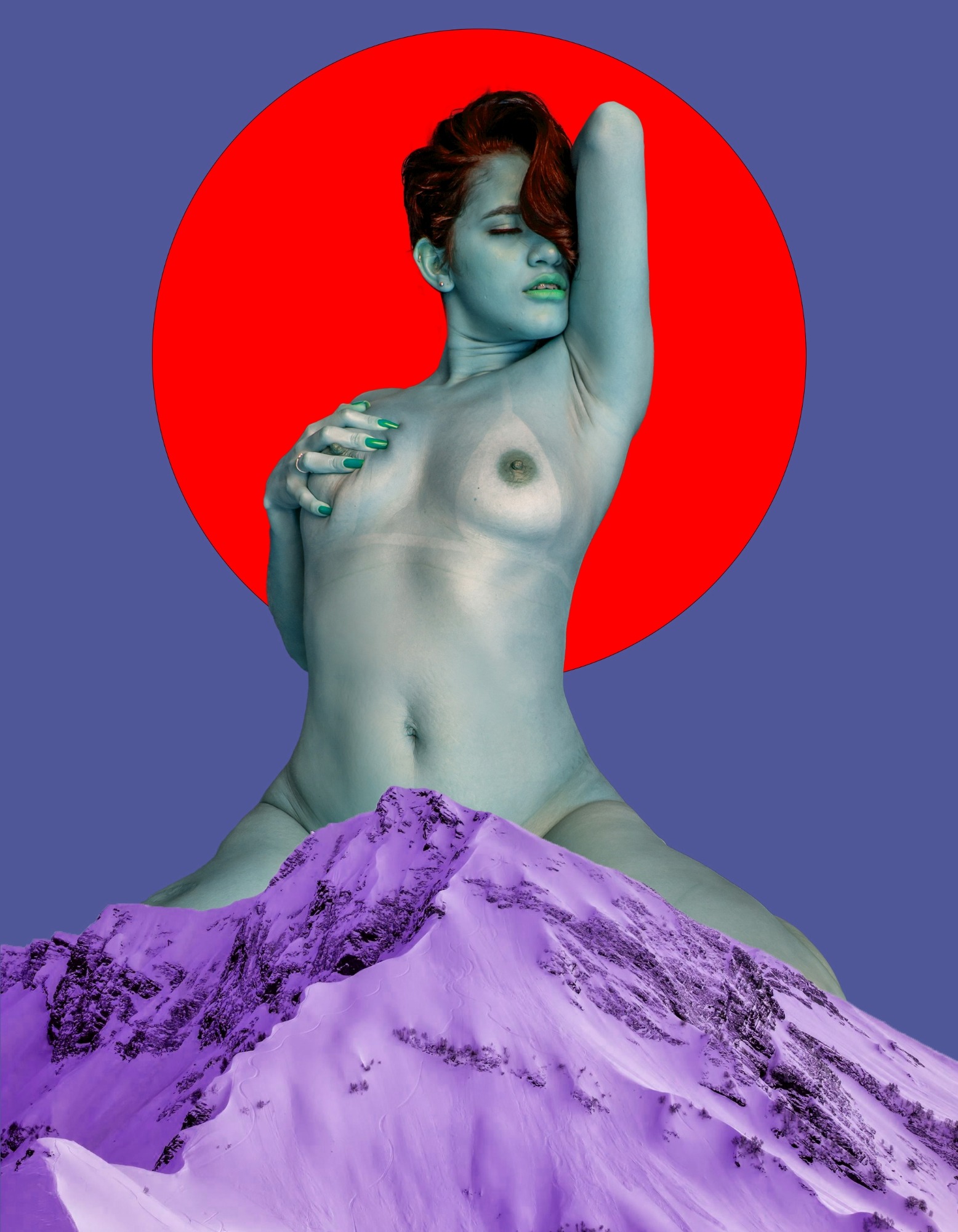
70x90-pop-days-sexy-mountain

Why Collectors Should Prioritize Emotional Art

In a market increasingly flooded with AI-generated content and visually pleasing but soulless pieces, collectors are looking for something real.

They want art that:

  • Speaks to them every time they see it.

  • Grows in meaning over time.

  • Sparks conversation and provokes thought.

  • Holds symbolic depth and emotional complexity.

Hueb Arts delivers exactly that.
Each piece is not just a visual — it’s a psychological confrontation. A door to your own shadow. A seduction of your unconscious mind.

What Makes an Artwork “Emotionally Powerful”?

Not every emotional artwork is loud or chaotic. Some whisper. Some seduce slowly.

But the best pieces share these traits:

  • Symbolism that taps into universal human fears or desires.

  • A composition that creates psychological tension or release.

  • Use of light, texture, or gesture to simulate emotional states.

  • Subtle elements that reveal new layers upon each viewing.

In my experience as both an artist and a collector, the most valuable artworks are those that cannot be forgotten. Not because they’re technically perfect, but because they leave emotional fingerprints.

Why Hueb Arts Attracts Discerning Collectors

The audience of Hueb Arts is not casual.

It is composed of:

  • Art collectors seeking depth and duality.

  • Investors who understand the psychological value of symbolic work.

  • Private buyers who crave meaning, mystery, and aesthetic elegance.

Every piece comes with an authenticity certificate, signed by the artist. Each print is limited or unique, carefully shipped in rigid tubes, ready for framing and display.

Most importantly, each artwork is designed to make you feel — not just to match your interior, but to transform your interiority.

Testimonials: Emotional Impact in Real Life

One collector from Zurich shared:

“I hung one of Felipe’s pieces in my bedroom, and I swear, every guest asks about it. Not because it’s nude, but because there’s something unsettling about it. I love how it challenges me.”

A collector from New York wrote:

“It’s the first artwork I’ve ever cried in front of. That was unexpected. I bought it immediately.”

These reactions are not accidents. They are engineered through emotional architecture.

Summary: Why Emotion Is the True Currency of Art

  • Art is emotional language.

  • Emotional works are unforgettable and universally resonant.

  • Symbolic, psychological pieces have long-term collector value.

  • Hueb Arts creates this kind of work — raw, elegant, disturbing, seductive.

Whether you’re building a serious collection or looking for one unforgettable piece, don’t underestimate what a single image can do to you — and for you.


Ready to Feel Something Real?

If you’re a collector who values emotion over decoration, depth over trends, and symbolism over surface, you’re in the right place.

You can:
📩 Contact me directly at info@felipehueb.com to request a catalog or inquire about a specific piece.
📸 Follow exclusive updates and behind-the-scenes on Instagram @hueb.arts.
🖼 Explore new releases weekly at www.felipehueb.com.

Every artwork you see is a mirror.

The question is: are you ready to face what you feel?

Scroll to Top