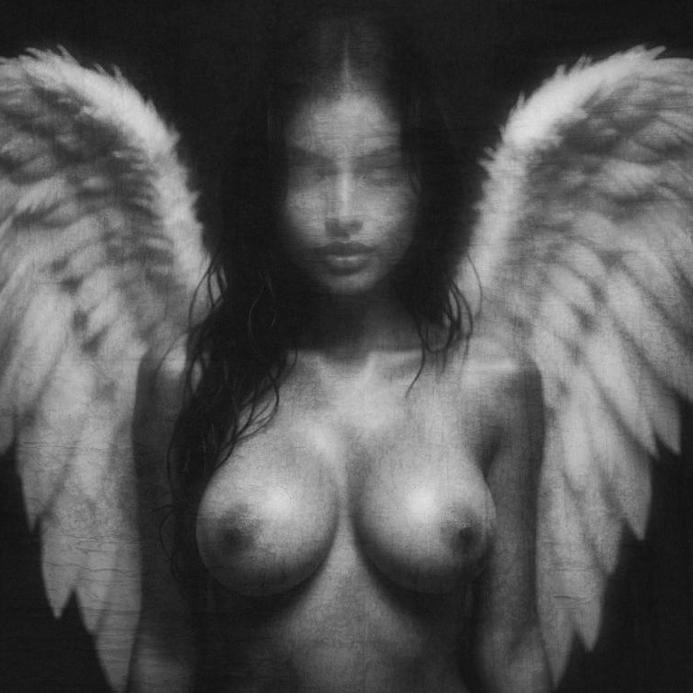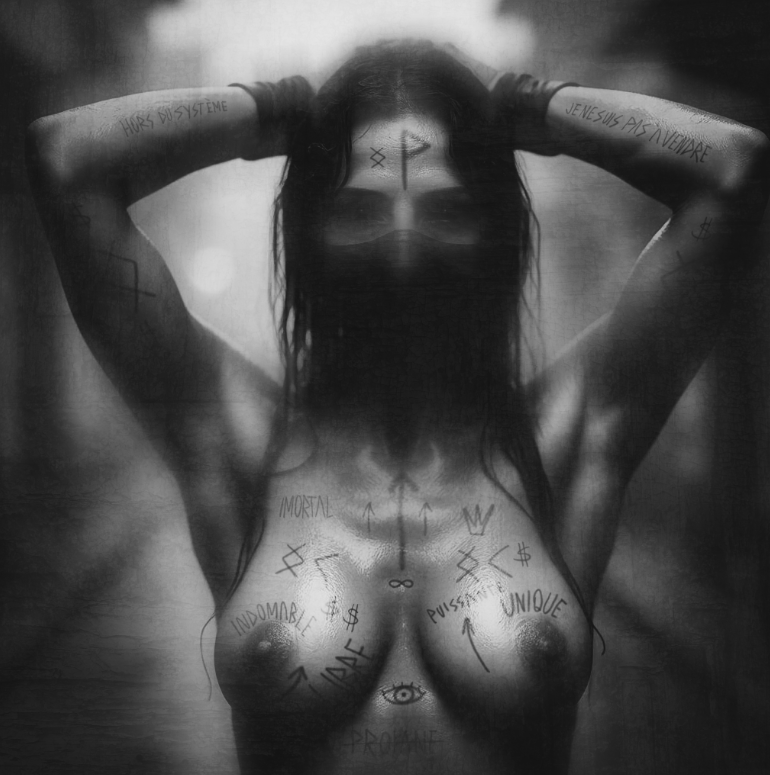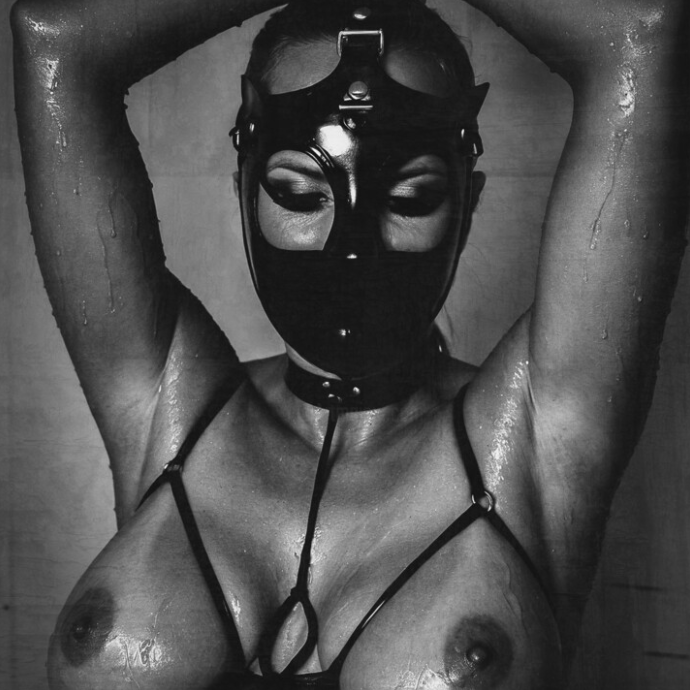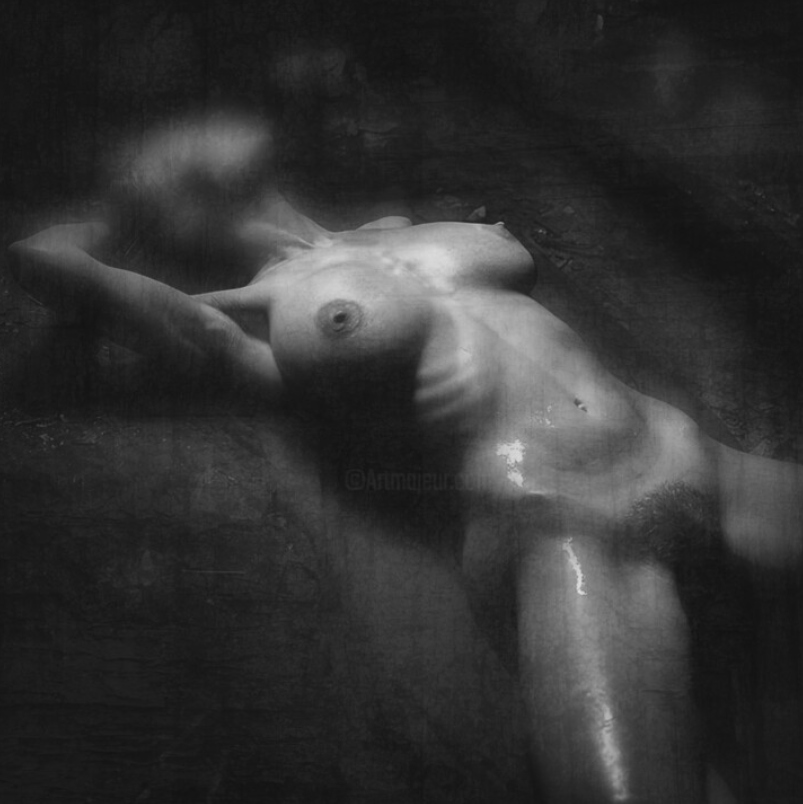
There is a subtle power in the female form that transcends anatomy.
Beyond the surface, beyond the simple act of seeing, there is a tactile memory, a silent record of emotions stored within the curves, textures, and lines of the body.
Every photograph and every brushstroke that dares to represent the feminine touches something ancient in us. It awakens a kind of recognition that cannot be explained intellectually because it speaks directly to the unconscious. In the realm of nude art, this becomes even more evident.
The Skin as Memory
Skin is not merely a boundary between body and world. It is an emotional surface.
It absorbs affection, fear, shame, and pleasure. Every texture of the skin tells a story of lived sensations such as warmth, friction, and connection.
When the artist captures these nuances, what emerges is not eroticism alone but remembrance. The softness of the light tracing the shoulder, the play of shadow over the spine, the gentle transition between light and skin, all function as visual triggers for memory.
In Jungian psychology, the body holds the symbolic bridge between the conscious and the unconscious. The tactile sensation that the image evokes in the viewer is not physical, it is psychological. It activates what Jung called complexes, emotional structures rooted in archetypal experiences. The result is a strange familiarity, as if the image were whispering something we already knew but had forgotten.

Photo by Felipe Hueb
The Archetype of the Feminine
The feminine body in art has never been just a body. It has always carried the symbolic weight of the Anima, the feminine archetype within every human being, male or female.
According to Jung, the Anima is the bridge to emotion, creativity, intuition, and the inner world. When the viewer contemplates nude art that respects form and essence, this archetype awakens. The reaction is not about desire alone but about integration.
Through the gaze, the viewer touches the hidden aspects of their own psyche.
The body portrayed becomes a mirror where we see our inner duality: vulnerability and power, instinct and divinity, chaos and harmony.
Texture and Color as Emotional Language
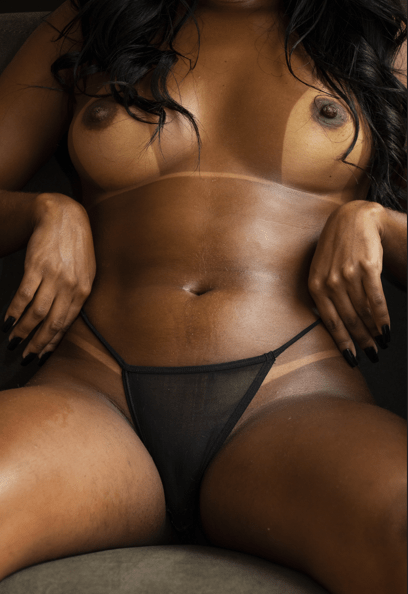
Photo by Felipe Hueb
Every tone and texture carries a psychological vibration.
In nude art, color and light function like archetypal codes. Red activates passion and life force. Gold suggests transcendence and divine warmth. Blue evokes introspection and serenity. Black introduces the unknown, the shadow, the mystery that gives depth to desire.
When these colors are strategically balanced with the texture of the body, the pores, the shadows, the light reflections, the result transcends aesthetics. It becomes sensory psychology.
Collectors and admirers of fine art nude photography often feel an attraction they cannot explain. This attraction is not purely visual. It is emotional resonance. The image communicates through the oldest language we know: symbol and sensation.
The Unconscious Dialogue Between Viewer and Body
The encounter between image and observer is not passive.
When we contemplate a female nude, our unconscious begins to move. Memories of touch, warmth, or emotional intimacy surface quietly. Jung would describe this as projection, the natural process through which we project our inner contents onto external images.
But when the artwork is made with consciousness, projection transforms into reflection. The body on the canvas or in the photograph becomes a reflective surface for the psyche. What we see is what we feel. What we feel is what we are.
That is the true power of nude art. It exposes the human condition, not only the body.
Between Sensuality and Symbolism
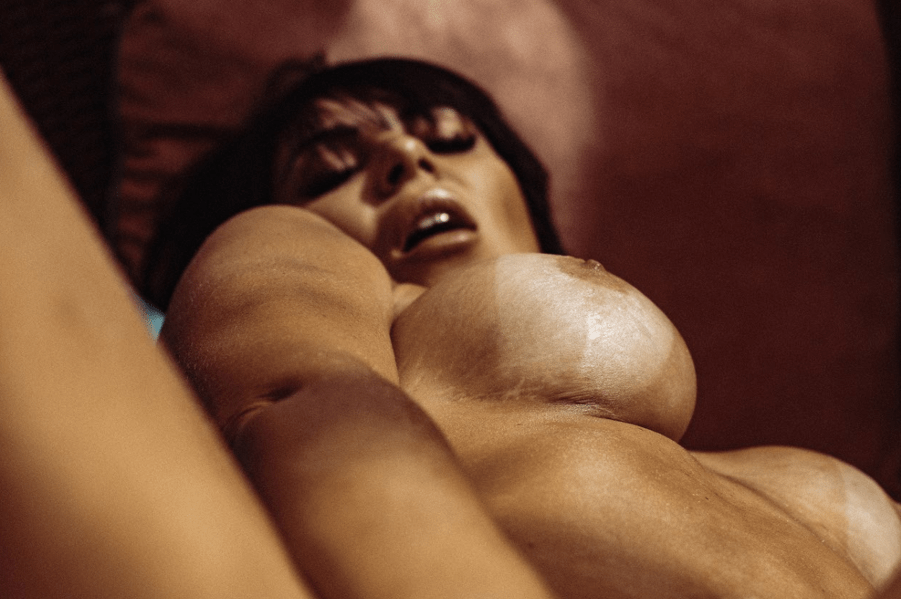
Photo by Felipe Hueb
In contemporary culture, sensuality has been trivialized. We are surrounded by images that stimulate but rarely elevate. Yet when an artist approaches the nude through symbolic intention, sensuality regains its sacred dimension.
The curve of a hip ceases to be an object of consumption and becomes a metaphor for continuity and life.
The arc of the back suggests openness and surrender, a gesture of both vulnerability and strength.
Every part of the body becomes a sign, a letter in a visual alphabet that speaks of existence itself.
This is what distinguishes nude art from mere exposure. It is not about revealing the body. It is about revealing meaning through the body.
The Jungian Shadow and the Taboo of the Nude

Photo by Felipe Hueb
To understand why the nude still provokes discomfort, we must return to Jung’s concept of the Shadow. The Shadow is everything we repress: our instincts, desires, and emotions that society teaches us to hide.
Nudity reminds us of these hidden parts. It reveals what culture forces us to forget. The discomfort some people feel when facing nude art is not moral; it is psychological. It is the confrontation with their own repressed impulses.
In this sense, nude art acts as a mirror of the collective psyche. It shows how we perceive purity, shame, and desire as reflections of our inner conflicts. The body is innocent; the projection is ours.
The Artist as Mediator
To create true nude art is to listen, not to show. The artist becomes a mediator between the visible and the invisible.
It requires sensitivity to light and form, but above all, to meaning.
The curve of the model’s body must not be directed by the eye of lust but by the intention to reveal emotion. The editing process, the tones, the textures, the highlights, becomes an act of translation from sensation to symbol.
In the Hueb approach, every decision of color, grain, or shadow is deliberate. The goal is to trigger a visceral reaction without crossing into vulgarity, to awaken archetypes without naming them, to provoke emotion without manipulation.
The Aesthetic of Memory
When we say the body remembers, it is not poetic exaggeration. The body retains emotional imprints of everything it experiences, love, fear, abandonment, pleasure.
In photography, these traces become visible through microexpressions, subtle tension in the muscles, or the natural flow of breath.
When captured with awareness, these details transform the image into a psychological portrait.
We no longer see a model. We see memory embodied.
For the viewer, this memory awakens something equivalent. That is why true nude art is never forgotten. It imprints itself on the emotional memory of the observer, just as the tactile experience of touch remains in the body long after the moment has passed.
Jungian Integration: The Return to Wholeness
The ultimate purpose of art, according to Jungian thought, is individuation, the process of becoming whole.
Nude art, when stripped of superficial eroticism, fulfills this function. It reconciles body and psyche, instinct and meaning.
By observing the feminine body as a sacred symbol, the viewer reconnects with their own lost sensitivity.
The act of seeing becomes an act of remembering, remembering what it means to feel, to be human, to exist in harmony with form and emotion.
The Spiritual Dimension of Touch
Touch is the first sense we develop and the last we lose. It is the purest form of connection.
Even when the art is visual, the sensation of touch persists. The eye touches through light.
In nude art, this tactile illusion evokes empathy. It is not about desire but recognition, the recognition of life, of fragility, of unity.
Light becomes the invisible hand that caresses without possession, revealing the soul that inhabits the form.
The Collector’s Eye
For the serious art collector, nude art of depth and symbolism is not a mere decoration. It is an investment in emotion, psychology, and meaning.
These works are portals to the unconscious. They invite the observer into contemplation, not consumption.
Owning such a piece means owning a fragment of the collective dream.
Each limited print carries the energy of timeless archetypes, the mother, the muse, the lover, the soul.
This is the kind of art that transforms spaces and awakens thought, precisely because it does not seek to please. It seeks to reveal.
Final Reflection
When the body is portrayed with reverence, when light becomes emotion and color becomes symbol, nude art stops being taboo and becomes truth.
It ceases to be about exposure and becomes about revelation.
The body remembers everything: love, pain, warmth, absence.
And when we dare to look through Jung’s eyes, we discover that what moves us in the female form is not its beauty, but its power to remind us of who we are.
Because behind every curve there is a story.
Behind every shadow, a feeling.
Behind every image, a memory of touch, the oldest form of art there is.