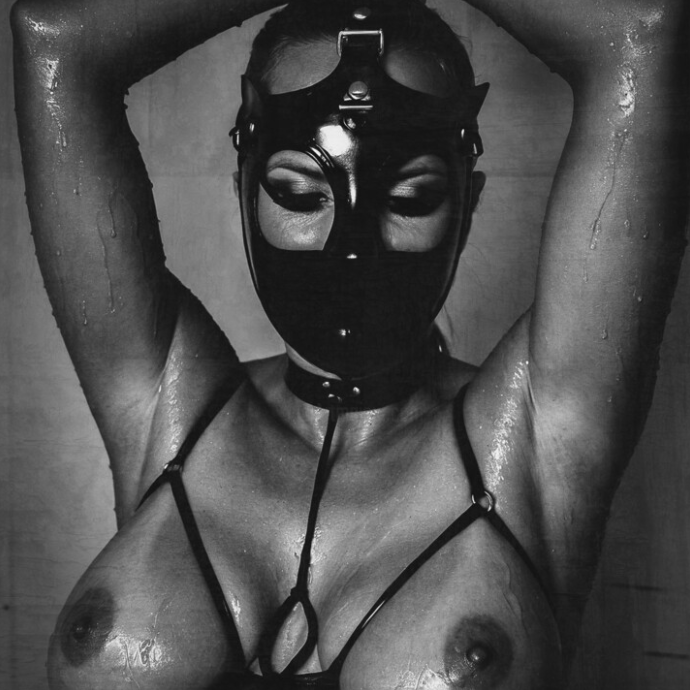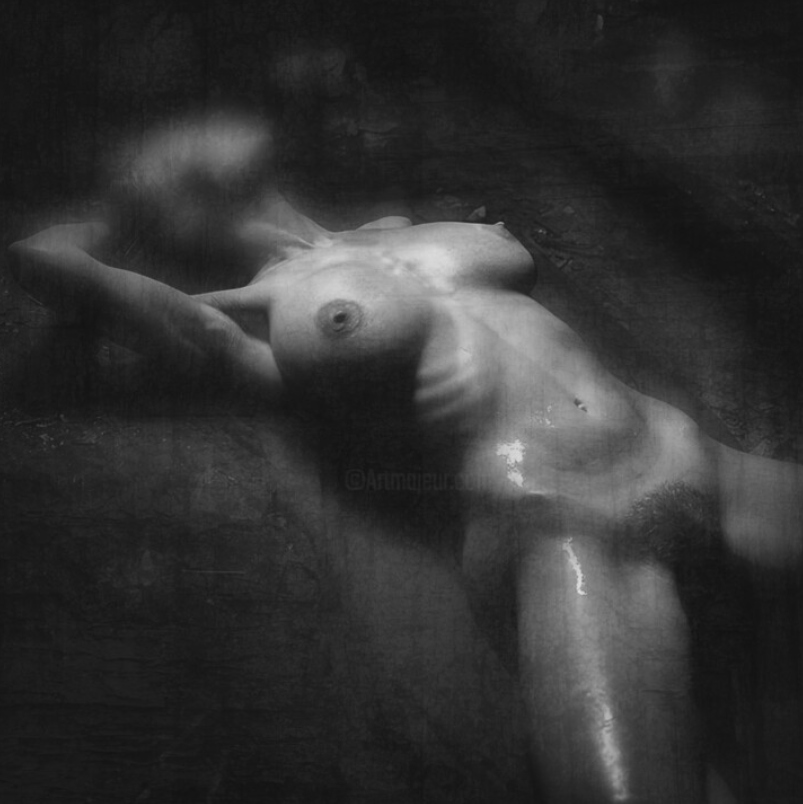
The Soul of Water: A Complete Guide to Black and White Nude Art Photography
Section 1: Introduction – Where Water Touches the Soul
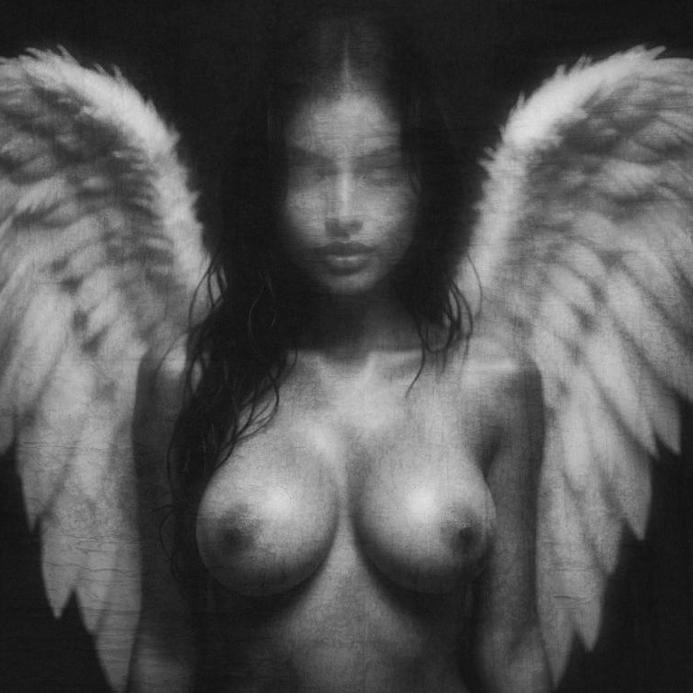
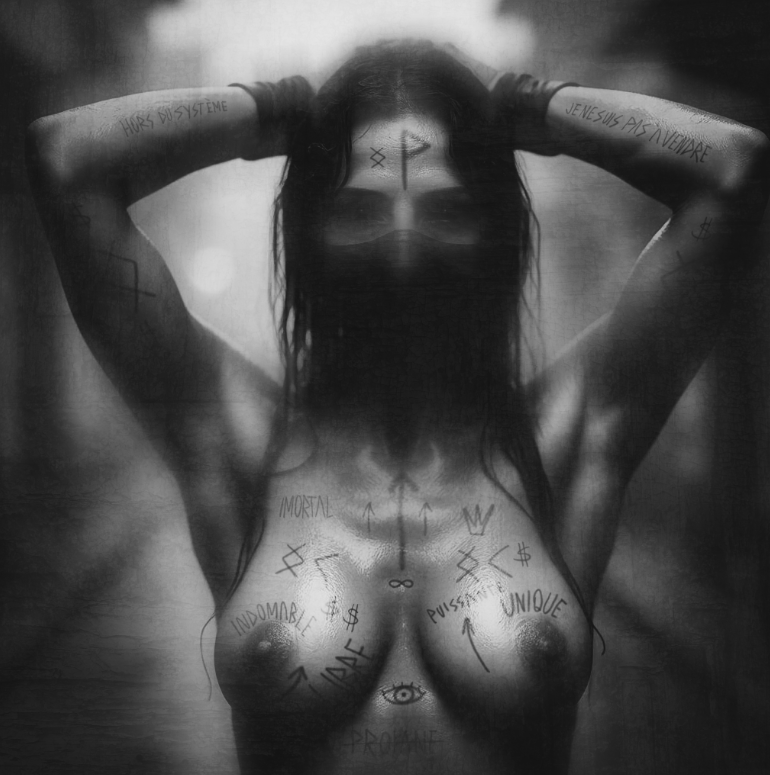
Have you ever felt water on your skin? Not as temperature, but as emotion. That precise moment when a drop slides and you forget whether it’s the body touching the water or the water touching the soul. This is where art begins. This post is a journey to the heart of one of photography’s most profound genres: black and white artistic nude, where water acts not as a prop, but as a sculptor, a confessor, and a mirror. We will explore why this art form is not about nudity, but about truth, vulnerability, and the sacred dialogue between light, shadow, and the human form.
This comprehensive guide is designed for enthusiasts, models, and photographers seeking to deepen their understanding of fine art nude photography. We will navigate from the philosophical power of monochrome and the deep history of the body in water to the precise technical skills needed to “let the shadows speak.” Finally, we will address the courageous vulnerability that empowers both artist and model, transforming a photoshoot into a ritual of self-discovery.
Section 2: The Truth of Black and White: Revealing What Color Hides
The statement “when you remove the color, you remove the noise” is the philosophical pillar of black and white nude art photography. What remains, as the initial reflection suggests, is purity, form, shadow, and emotion. The choice of monochrome is not a limitation or an aesthetic simplification; it is a powerful tool for focus and revelation. By eliminating chromatic distraction, the photographer forces the viewer’s gaze to engage with the fundamental elements of the image: the curve of a spine, the texture of skin goose-bumped by the touch of water, the infinite play between the light that reveals and the shadow that protects. The body ceases to be just a body and becomes a sculpture, and the water, its sculptor.
This approach is a deliberate act of reductionism that elevates the subject from the specific to the universal. By removing the temporal details associated with color—a particular skin tone, the color of an environment—the artist focuses on timeless qualities: universal form, primordial emotion, the essence of the human figure. The body is no longer just a person; it becomes a symbol of humanity itself.
The Masters of Form – Edward Weston
No one embodied this search for the essence of form like Edward Weston, one of the pioneers of modernist photography. Weston’s career marked a crucial transition away from soft-focus Pictorialism to a crystalline sharpness that sought abstract form and absolute detail. His visit to the ARMCO Steel Plant in 1922 was a turning point, where he began to create direct, unadorned images, true to the reality of the object. This philosophy culminated in his famous declaration: “The camera should be used for a recording of life, for rendering the very substance and quintessence of the thing itself, whether it be polished steel or palpitating flesh.” This quote directly echoes the theme of photography as a medium of “truth.” His studies of nudes, shells, and peppers were not mere portraits of objects; they were explorations of the universal form contained within them. To explore his work, sources like the Center for Creative Photography and The Getty Museum offer extensive archives of his iconic nudes and natural forms.

Edward Weston, Nude (Charis, Santa Monica), 1936. An example of abstracting the human form into pure shape and texture. [1]
The Masters of Shadow – Bill Brandt
If Weston was the master of form, Bill Brandt was the master of shadow. One of the most important British photographers of the 20th century, Brandt was known for his dramatic, high-contrast images that merged the documentary with the artistic, exploring the surreal beauty of the everyday. His work is the materialization of the invitation to “let the shadows speak.” Brandt used wide-angle lenses experimentally to distort and abstract the human figure, sometimes making it “more geological than anatomical.” This approach transforms the body into a landscape, a territory to be explored by light and shadow. His influential book Perspective of Nudes and major exhibitions at institutions like MoMA solidified his reputation as a visionary who used contrast not just for style, but to reveal a hidden, abstract reality. The Bill Brandt Archive is the definitive resource for immersing oneself in his visual universe.

Bill Brandt, Nude, Belgravia, London, 1951. Brandt’s use of a wide-angle lens transformed the body into a surreal landscape. [2]
Section 3: The Legacy of the Bathers – The Body and Water in Art History
To photograph a nude body in water is to participate in a dialogue that spans centuries. Far from being a modern invention, this act is the continuation of one of the most enduring artistic traditions in the West: the “bather” motif. This recurring theme has been a vehicle for exploring everything from mythology and religion to sexuality and society’s changing attitudes toward the human body. Understanding this lineage allows the contemporary artist to make more conscious and historically informed choices, elevating their work from a simple image to a piece of art in conversation with tradition.
The evolution of this motif in art mirrors society’s own evolving relationship with the body. Initially a vessel for divine ideals and narratives, the body gradually transformed into a subject of pure formal and psychological exploration.
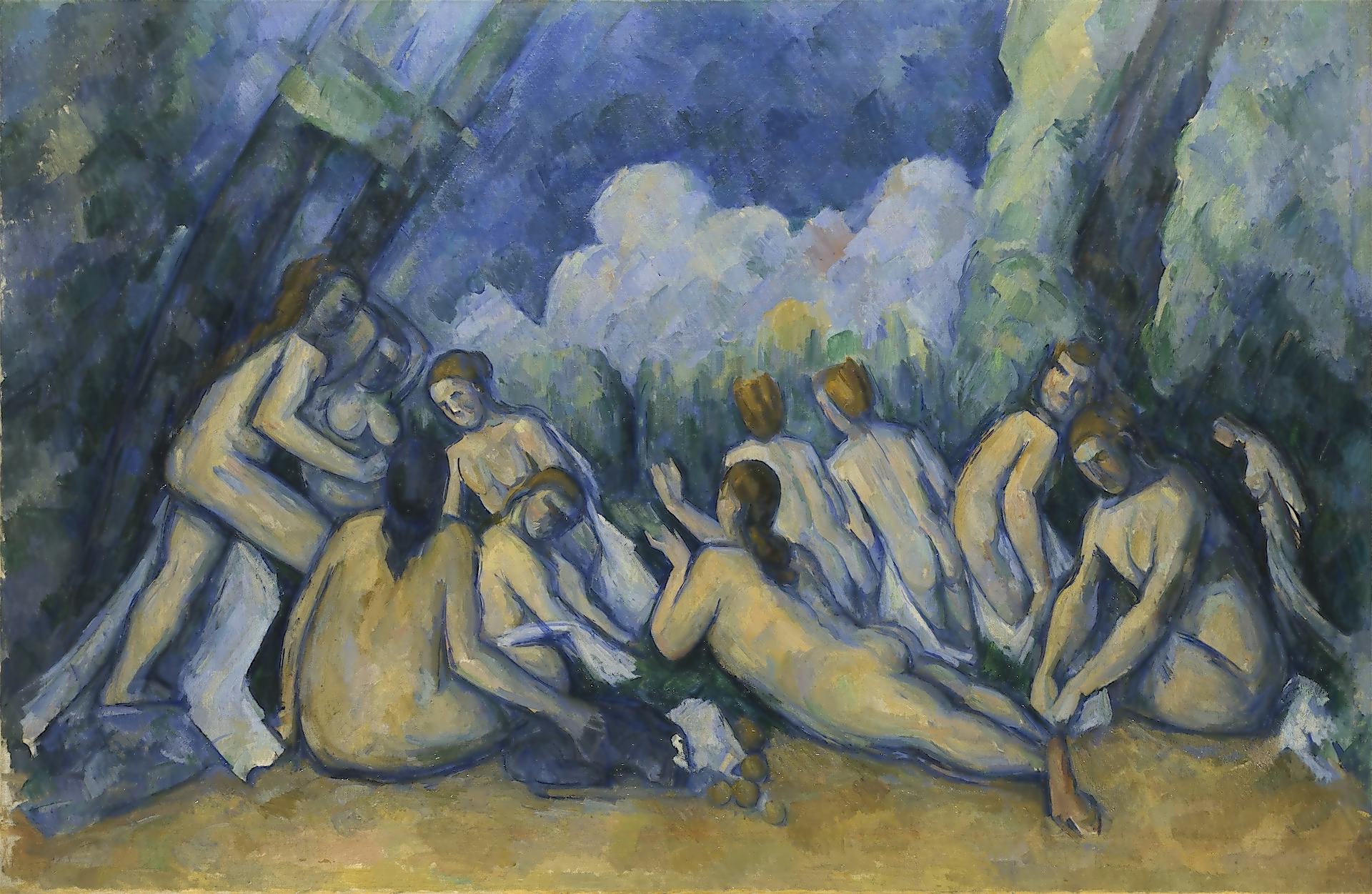
Paul Cézanne, The Large Bathers, 1898–1905. A pivotal work that shifted the focus from narrative to pure form. [3]
A Journey Through Time
- Classical Antiquity: In the ancient world, bathing was a ritual of great importance. In Greece and Rome, figures like the Aphrodite of Knidos are among the first examples of the bather in art, representing an ideal of divine perfection and beauty. The body was an unattainable ideal. [4]
- Renaissance and Baroque: Artists like Titian, with his work Diana and Actaeon, and Rembrandt, with Bathsheba at Her Bath, used bathing scenes to explore dramatic narratives from mythology and scripture. Often, these works carried a voyeuristic tension, where the viewer is invited to observe an intimate and vulnerable moment. The nude body served a story, often with an implicit moral lesson.
- Modernism: The turning point occurred with modernism. Artists like Ingres, Degas, and, fundamentally, Paul Cézanne, began to move away from the narrative context. The focus shifted from “who is this person?” to “what is the quality of this form, this light, this moment?”. Cézanne, in his famous series of Bathers, was less interested in realistic representation and more in reducing the human figure to essential geometric forms—cylinder, cone, and sphere—integrating the bodies into the landscape. His work The Bather (c. 1885) broke with heroic tradition, presenting a pensive, unidealized figure that reflected the uncertainty of modern life. This was the final transition from narrative to pure form, a crucial link to the modernist photography that would follow. [5, 6]
The Brazilian Perspective
This universal tradition found a unique expression in Brazil. The Enciclopédia Itaú Cultural, an authoritative source on the subject, reveals that the 19th-century Brazilian art scene was “full of nudes.” These representations, however, carried distinct meanings. Works like Moema (1866) by Victor Meirelles and A Carioca (1882) by Pedro Américo functioned as allegories of the Brazilian nation, using the female body to construct a national identity. In contrast, the nudes of artists like Rodolfo Amoedo had a more realistic and direct sense, demonstrating the versatility of the nude as a symbol. To delve deeper into the rich history of Brazilian art, the Itaú Cultural portal is an indispensable resource. [7]
Section 4: The Technique Behind Surrender – Lighting to Sculpt with Shadow
In artistic nude photography, lighting transcends mere technique; it becomes the very language of the image. It is through the precise control of light and shadow that the photographer can translate poetic concepts like “the light forgives the body” into a tangible visual reality. The emotional surrender and vulnerability that define this art are only possible when the artist masters their tools. Lighting is not used to illuminate, but to narrate. It is a tool that guides the viewer’s emotion, deciding what to reveal—the truth, the form—and what to conceal—the mystery, the unsaid.
The decision to use a hard sidelight instead of a soft backlight is analogous to a writer’s choice between a dramatic verb and a gentle adjective. Each technical adjustment directly shapes the emotional narrative of the final image, proving that technique itself is an act of artistic expression.
Fundamental Principles
- Soft Light vs. Hard Light: The quality of light defines the mood of the photograph. Soft light, generated by a large, diffused source (like a softbox or an overcast day), creates gradual transitions between light and shadow. It is a “forgiving” light that softens skin texture and evokes feelings of tranquility and delicacy. On the other hand, hard light, from a small, direct source (like the midday sun or an unmodified flash), produces sharp, high-contrast shadows. This light is dramatic, revealing every detail of skin and water texture, and is ideal for sculpting the body’s form. [8]
- The Inverse Square Law: This principle of physics is fundamental for the photographer. In simple terms, it states that the intensity of light decreases dramatically as the distance from the source increases. This means that moving the light closer to the model not only makes it stronger but also relatively larger and therefore softer. Mastering this relationship between distance and intensity is crucial for controlling the quality and contrast of the lighting. [9]
Essential Techniques for Nudes in Water
- Sidelight: Mentioned explicitly in the inspirational text, this is perhaps the most powerful technique for this genre. Positioning the main light source at 90 degrees to the model is the most effective way to reveal texture and create a three-dimensional feel. The raking light travels across the surface of the skin and water, sculpting curves and contours, while the opposite side plunges into a deep, expressive shadow. This is how you “let the shadows speak.” [10, 11]
- Backlight: By positioning the light behind the model, the photographer can achieve two distinct and powerful effects. The first is the silhouette, where the camera exposes for the background light, turning the body into a pure, dark shape focused exclusively on its contour. The second is the rim light, where the light outlines the body with a luminous halo, separating it from the background and creating an ethereal, almost sacred atmosphere. Water droplets, in particular, capture this light magically, shimmering like small universes. [11, 12]
- Low-Key Lighting: More than a setup, low-key is a style that dominates artistic nude photography. It uses a dark background, like black velvet, which absorbs light excellently, combined with minimal, highly controlled lighting (often sidelight or rim light). The result is an atmospheric and intimate image where shadows predominate and only the essential elements of the form are revealed. This style aligns perfectly with the idea of a “silent confession.” [9, 13]
Tools for Shaping Light
Controlling light means both adding and subtracting it.
- Modifiers: Softboxes are ideal for creating soft, directional light. Umbrellas produce a broader, more enveloping light. Beauty dishes offer a unique balance between softness and contrast, highly valued in portraiture. [14]
- Reflectors and Flags: A white or silver reflector can be used to bounce light back into the shadow areas, softening the contrast. Equally important, a black flag (or a simple piece of black card) can be positioned to block light and prevent it from hitting certain areas, deepening the shadows and increasing drama and contrast. [15, 16]
Section 5: Table – Three Essential Light Setups for Nude Photography in Water
To translate theory into practice, this table offers a quick and actionable reference guide. These are starting points for photographers who wish to explore the narrative possibilities of light in their artistic nude shoots with water.
| Setup | Goal | Suggested Gear | Pro Tip |
|---|---|---|---|
| Dramatic Sidelight | To sculpt the body, create texture on the skin and water, and generate depth with expressive shadows. | One light source (flash with a strip softbox or a large window) positioned at 90 degrees to the model. | Use a black reflector (v-flat or card) on the opposite side to deepen the shadows and intensify the contrast, creating a more sculptural and less “filled-in” look. [9, 15] |
| Ethereal Backlight | To create a pure silhouette that focuses on form or a soft, sacred glow around the body, highlighting water droplets. | One light source positioned directly behind the model, out of frame. The camera meters for the background (silhouette) or the model’s skin (glow). | Spray a fine mist of water in the air between the light and the model. The water particles will catch the light, creating visible rays and a dreamlike effect. [12] |
| Soft Wraparound Light | “Forgiving” illumination that creates smooth transitions between light and shadow, ideal for a feeling of tranquility and purity. | A large, diffused light source (octagonal softbox, large window with a sheer curtain) positioned at 45 degrees and slightly above the model. | Ask the model to move very slowly in the water. The soft light will “wrap” around the different curves of the body as they move, revealing subtle shapes and creating gentle reflections on the water’s surface. [8, 17] |
Section 6: The Artist’s Perspective – Brazilian Photographers Who Master the Art
Artistic nude photography in Brazil has a distinct identity, marked by a fusion of sensual energy and a sophisticated, almost cinematic narrative. While international masters like Weston and Brandt focused on the abstraction of form or surreal exploration, the great Brazilian names often explore the body as a stage for emotion, desire, and story. This approach offers a unique contribution to the global dialogue on the genre, valuing not only the sculpture of the body but the soul that inhabits it.
Luiz Tripolli – The Cinematic Instinct
Luiz Tripolli is a seminal figure in Brazilian photography, a pioneer who helped shape fashion and nude photography in the country. [18] His style is described with visceral adjectives: “seductive, instinctive, aggressive, obsessive.” [19] His work is not a contemplative study but a search for the “explosion of the desires of the collective unconscious.” [19] Since his first publications in pioneering nude magazines like Fairplay in 1965, Tripolli has shown a unique ability to transform the model into the woman he imagines, “almost always provocative, almost always intriguing.” [19] His work has a cinematic aura, capturing moments that seem like fragments of a larger, more intense narrative. His official website serves as a portal to his vast and influential career. [20]
Bob Wolfenson – Authorial Elegance
Considered one of the most important names in contemporary Brazilian photography, Bob Wolfenson masterfully moves between high-fashion commercial work, iconic portraits, and deeply personal artistic projects. His style also carries a “cinematic perspective,” but often explores “devastated and melancholic environments,” which lends a layer of narrative and psychological depth to his nudes. [21] The presence of his works in museum collections such as MASP and MAM attests to his critical acclaim and importance to Brazilian art. His portfolio, available on online galleries like Artsy and Blombô, reveals an artist who uses the human form to tell complex and emotive stories. [21, 22]

A photograph by Bob Wolfenson, known for his elegant and narrative-driven style. [21]
Other Names to Follow
The Brazilian scene is rich and diverse. Photographers like Ana Harff, who explores female diversity; Maíra Morais, with her dreamlike and poetic universe; and Guilherme Lechat, a specialist in photographing non-professional models with natural light, are just a few of the many talents who continue to expand the boundaries of nude and sensual photography in Brazil. [23, 24]
Section 7: The Courage of Vulnerability – A Message for Models
The essence of artistic nude photography lies in a paradox: “And in that vulnerability, she becomes powerful.” This art form demands immense courage from the person who stands before the lens. However, it is crucial to understand that, in this context, vulnerability is not weakness. It is the strength to be authentic, the permission to be seen in a state of pure emotional presence. It is an act of radical trust in oneself and in the artistic process.
“Being” Instead of “Posing”
There is a fundamental difference between “posing” and “being.” Posing is creating an artificial form, an imitation of an emotion or an aesthetic. “Being” is inhabiting the moment, allowing the body to respond genuinely to the environment—to the touch of the water, the caress of the light. It is in this space of authenticity that “the gesture that wasn’t planned” emerges, the moment of truth that the camera longs to capture. The photographer’s role is not to dictate every movement, but to create an environment of safety and respect where the model feels free to simply “be.”
The Photographer as Witness
In these sacred moments, the traditional power dynamic dissolves. The photographer ceases to be a director and becomes a “witness to something sacred, a ritual between light and flesh.” This perspective redefines the relationship, transforming it into an intimate collaboration based on mutual trust. The final result does not belong solely to the photographer; it is a co-creation, a shared testimony of a moment of truth.
Practical Advice for Models
- Clear Communication: The foundation of any successful shoot is communication. Before the session, talk openly with the photographer about your boundaries, your comfort level, your expectations, and the artistic vision of the project.
- Trust and Respect: Choose to work with photographers who demonstrate professionalism and respect. Mutual trust is the foundation that allows vulnerability to flourish and transform into power.
- Movement and Exploration: Instead of worrying about static poses, focus on slow, fluid movements. Explore the interaction with the water, feel the light on your skin. It is in the exploration and surrender to the moment that true beauty and genuine emotion are revealed.
Section 8: Conclusion – Follow the Feeling, Find Yourself
We have reached the end of this journey, but the real beginning can be now. We return to the central message that inspired this guide: art is not just something to be seen, but something to be felt. Artistic nude photography, in its fusion with water and the purity of black and white, is a search for something deeper than aesthetics. It is a search for truth.
Art, as was said, “is a mirror of what we didn’t know we needed to see.” Whether you are the photographer patiently waiting for the light to reveal a form, the model who bravely offers her vulnerability, or the viewer who allows themselves to be touched by an image, engaging with this art is an act of self-discovery. It confronts us with our own humanity: our fear and our freedom, our shame and our pride, our strength and our fragility.
If this text made you feel something, if at any point you forgot you were reading about images and instead felt the temperature of the water or the silence of the studio, follow that feeling. Pick up a camera. Find an artist you trust. Visit a gallery and stand before a work until it speaks to you. Because, in the end, you don’t follow art because it’s beautiful. You follow it because it shows you who you really are.