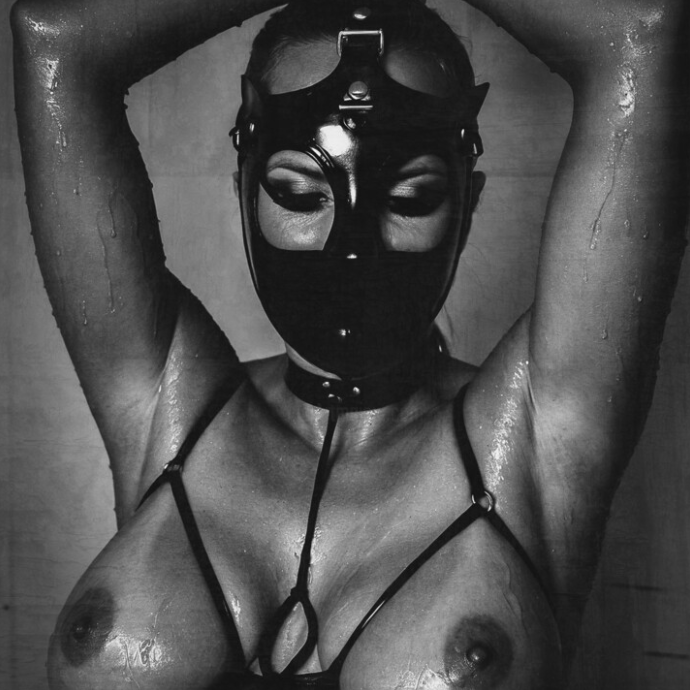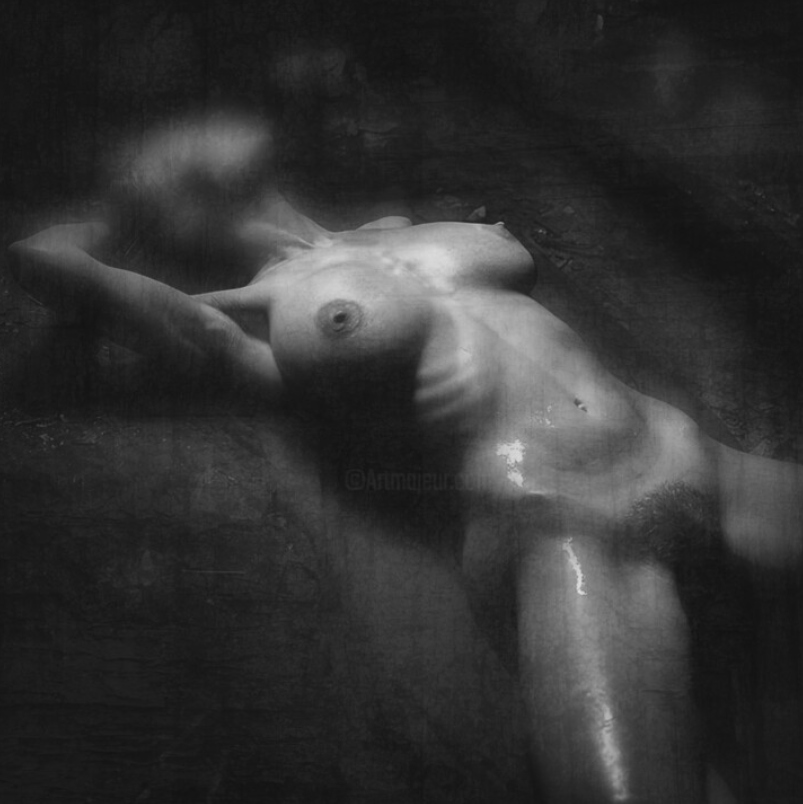
Boudoir photography is more than capturing the body. It is about translating emotion, psychology, and elegance into a single visual composition. In the age of hyper-visibility, where sensuality is often confused with exposure, the true artist must reclaim the essence of subtlety. Every curve, every breath, every shadow becomes a brushstroke that paints the soul rather than the skin.
The mastery of boudoir lies not in what is revealed, but in what is suggested. As a photographer, your duty is to transform the ordinary into something transcendent, to make the observer feel without ever needing to see everything. This is the silent dialogue between the body and the light, between confidence and vulnerability.
Understanding the Philosophy Behind Boudoir
Great boudoir photography is never about perfection. It is about presence.
The goal is not to sculpt an idealized body but to reveal the truth of emotion through posture, gesture, and expression. The subject becomes both the mirror and the mystery, a reflection of the viewer’s desire and a guardian of her own story.
Lighting, texture, and pose work together like musical notes in a symphony.
Soft shadows suggest warmth and intimacy, while controlled highlights define the body’s rhythm. The direction of the gaze, the placement of a hand, or the gentle arch of the spine all speak a language older than words, the language of human attraction, tension, and release.
As Carl Jung said, “The body is the unconscious made visible.”
Through boudoir photography, we witness this phenomenon: the psyche communicating through muscle, line, and silence.
Pose 1: The Diagonal Flow
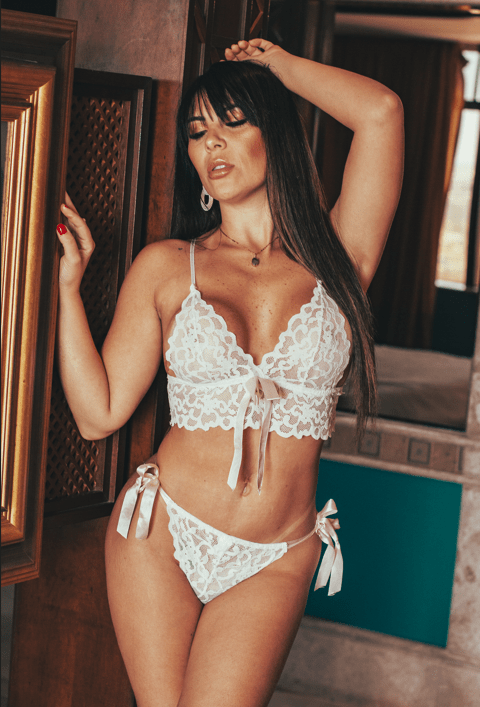
Place one hand above your head to elongate the torso and highlight the waist, while the other gently touches a side surface, creating diagonal lines and a sensual flow through the body.
This pose establishes control and fluidity at the same time. By raising one arm, the model naturally extends the ribcage, creating visual tension and elegance. The diagonal composition leads the viewer’s eyes across the frame, conveying movement and energy even in stillness.
Photographically, the trick is to shoot slightly below eye level. This emphasizes the stretch and enhances the illusion of height and confidence. Soft directional light, ideally from a side window, helps accentuate the natural lines of the waist and hips without losing softness.
Symbolically, the raised arm is a gesture of both exposure and empowerment, the moment where the subject owns her space, suspending time in graceful vulnerability.
Pose 2: Forward Grace
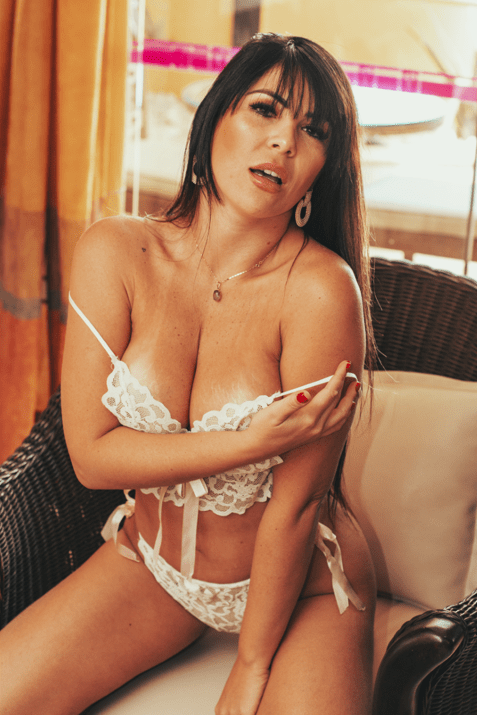
Lean slightly forward to create depth and emphasize the natural curves, while one hand softly touches the shoulder or bra strap, adding a sense of vulnerability and allure.
This is the psychological pose, where the model meets the camera halfway. Leaning forward subtly breaks the emotional distance between observer and subject. It invites connection, curiosity, and empathy.
From a technical perspective, a shallow depth of field between f/1.8 and f/2.8 will separate the subject from the background, emphasizing her eyes or the gentle motion of the hand. The camera angle should stay slightly above, creating intimacy without distortion.
The hand touching the shoulder or strap adds a narrative gesture. It evokes hesitation, anticipation, or self-awareness. In this single movement, we see the entire emotional spectrum of boudoir: strength wrapped in tenderness.
Pose 3: The Intimate Recline
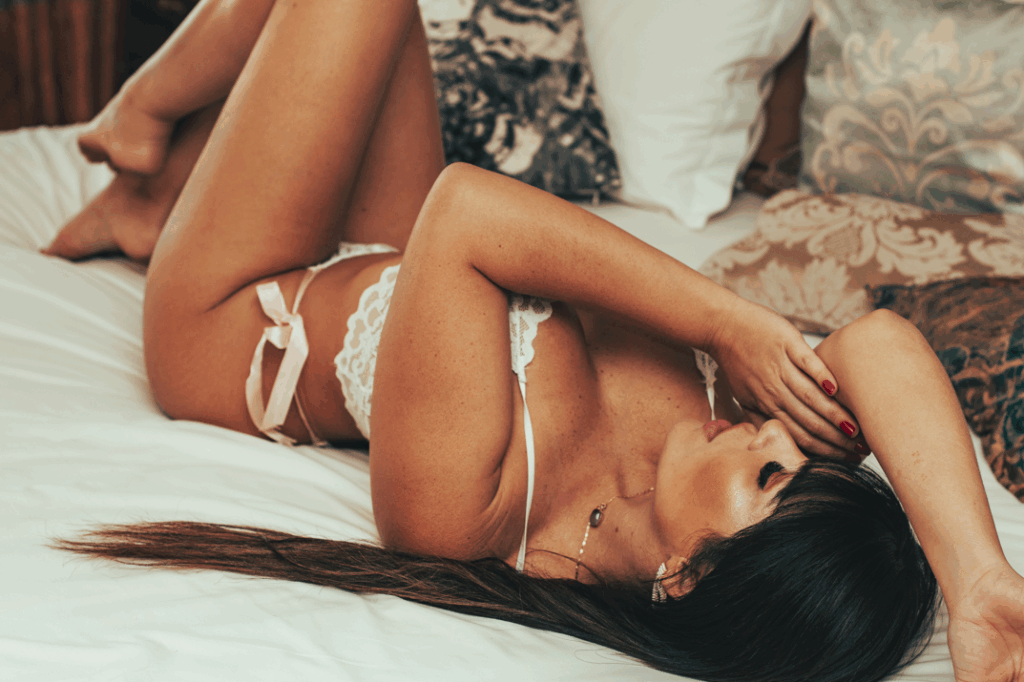
Lying on her side with one arm resting near the face and legs softly bent, creating natural curves and an intimate, relaxed composition.
One of the oldest poses in art history, the reclining figure has appeared in paintings since the Renaissance and remains a cornerstone of sensual imagery. This position conveys peace, surrender, and organic beauty.
To achieve it, guide the model to bend her knees slightly and rest her weight gently on the hip. The arm near the face creates a visual triangle, a powerful compositional tool that frames emotion.
Lighting is crucial here. A soft, low source such as a bedside lamp or diffused flash sculpts the form with painterly softness. The resulting image should feel quiet, like the pause after a whispered secret.
Emotionally, this pose represents trust, the highest compliment a model can give to her photographer.
Pose 4: The Arch of Emotion
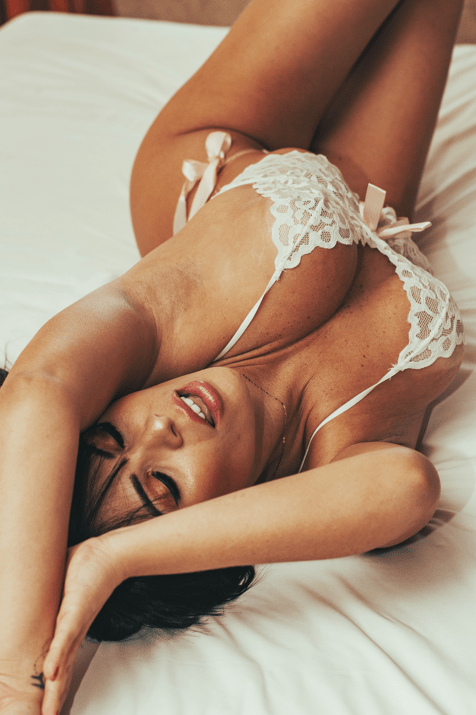
Arch the back slightly, extend the arms above the head, and tilt the face toward the camera, emphasizing both curves and emotion through relaxed tension.
This pose is dynamic and expressive. It merges tension and serenity into a single visual line. The slight arch of the spine highlights the abdomen and chest area, creating that cinematic S-curve so celebrated in fine art nude photography.
What defines this pose is the contrast between tension in the torso and relaxation in the face. The eyes should remain half-closed, lips parted just enough to suggest breathing, a gesture that merges sensuality and contemplation.
Shoot with directional backlight for best results. The rim of light along the body separates the subject from the background and adds ethereal brilliance, emphasizing the sculpture-like qualities of the human form.
This is not a sexual moment; it is an emotional crescendo. The body becomes music frozen in time.
Pose 5: The Pillow Frame
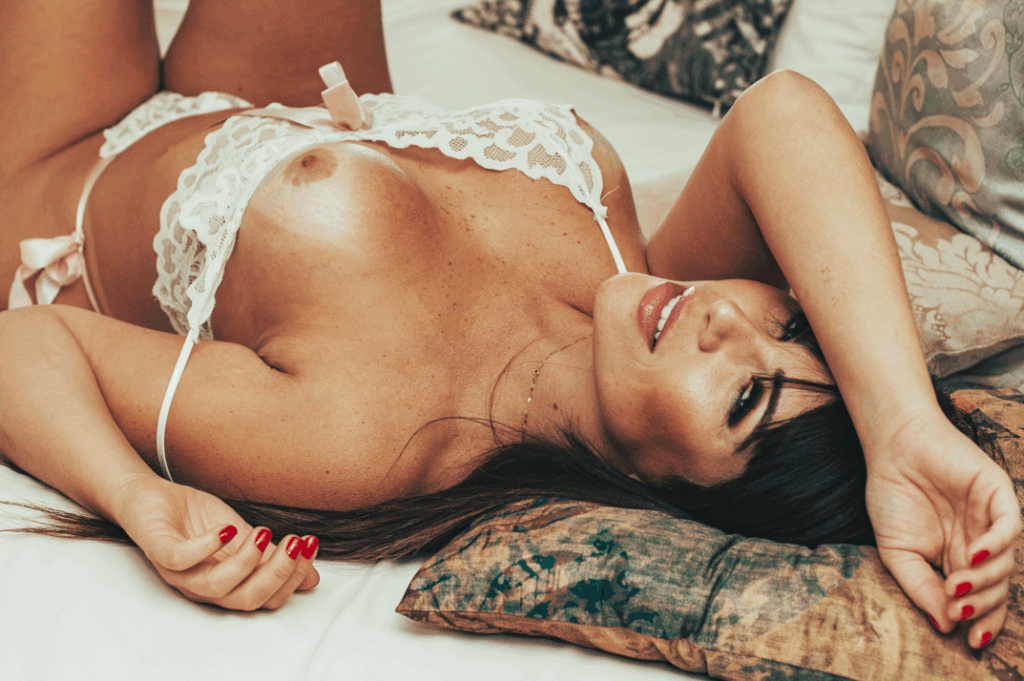
Rest the head on a pillow with one arm framing the face and the other gently extended, keeping the body slightly twisted to highlight natural curves and a soft, inviting expression.
If the previous pose was crescendo, this one is the silence after the symphony.
Here, the story turns inward. Intimacy replaces intensity. The twist of the body elongates the silhouette, while the framing hand leads the viewer directly to the eyes.
In technical terms, low-contrast lighting works best. Use ambient daylight or diffused continuous light to keep textures soft and authentic. Avoid harsh shadows. This pose is about honesty, the quiet vulnerability of being seen.
What makes it unforgettable is the gaze. Not seductive, but present. It tells the viewer, “You are invited to witness, not to possess.” That is the essence of fine art nude photography.
The Psychology of Posing
The most powerful images come from emotional alignment, not technical precision. A photographer must read energy like light, sense when the model feels confident, when she is hiding, and when she is free.
The success of a boudoir session depends on psychological safety. The model must trust the artist completely. Without that foundation, every pose becomes forced and every gesture artificial.
Here are principles that elevate boudoir photography to fine art:
- Intention Before Exposure: Always define what emotion you want to express, such as empowerment, nostalgia, desire, or serenity, before choosing a pose.
- Guided Vulnerability: Direct through empathy, not command. Show the pose yourself, use mirrors, and allow the model to interpret it in her own rhythm.
- The Power of Pause: Do not shoot continuously. Let silence and stillness breathe between frames. That is where authenticity emerges.
- Eye Contact as Narrative: Whether direct or averted, the gaze must tell a story. In fine art nude photography, the eyes are never passive.
- Light as Language: Light does not just illuminate; it defines emotion. Master the shadows, and you master the soul of the image.
From Boudoir to Fine Art
What separates boudoir photography from fine art nude photography is intention. Boudoir is personal; fine art is universal. One speaks to the individual experience of femininity, while the other transforms that experience into a symbol.
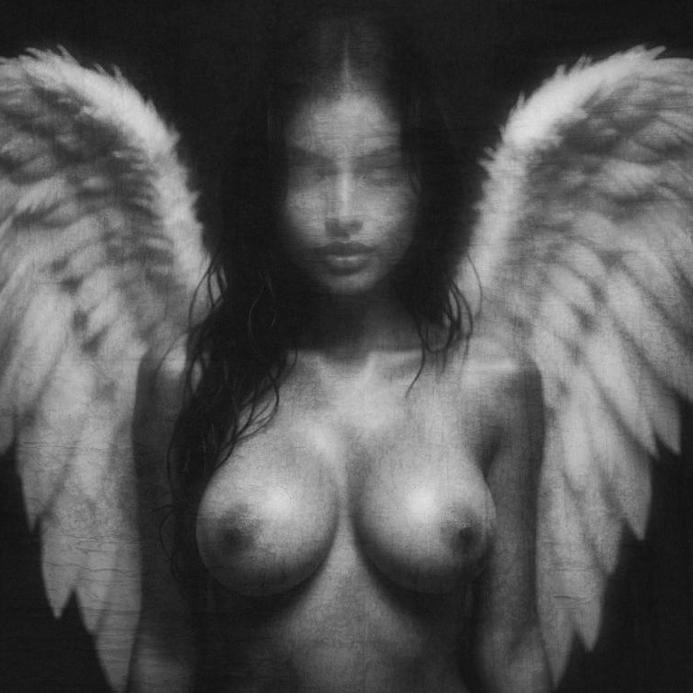
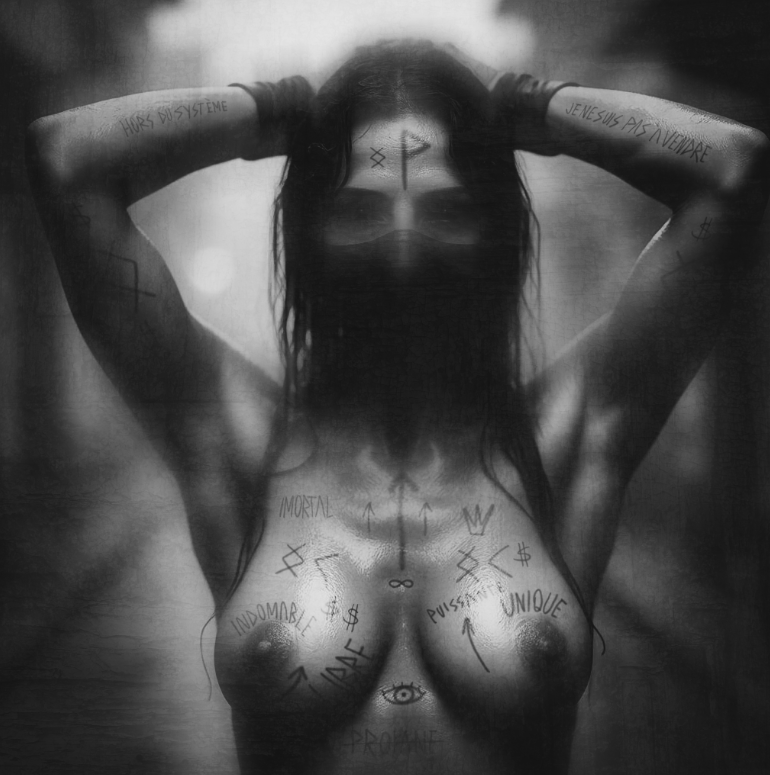
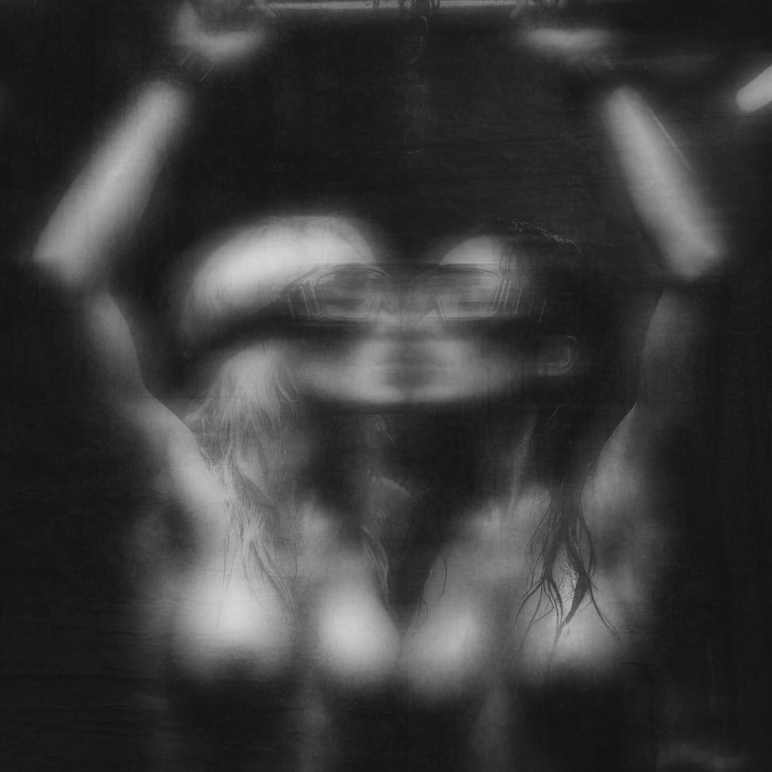
In my artistic work with Hueb Arts, I explore this transformation constantly, how a private moment becomes collective emotion. Through texture, color, and archetype, each piece merges sensuality and psychology, inviting the observer into silent introspection.
Collectors who understand this distinction often seek works that transcend aesthetic appeal. They look for meaning, for that subtle discomfort that forces reflection. That is what turns a photograph into an artwork worthy of a gallery wall.
Technical Notes for Professionals
- Camera & Lens: A full-frame sensor with a 50mm or 85mm lens is ideal. Both maintain flattering proportions without distortion.
- Lighting Setup: Use soft directional light, natural window light, large diffused softboxes, or bouncing reflectors.
- Color Grading: Warm tones enhance intimacy; desaturated palettes emphasize nostalgia and elegance.
- Retouching Philosophy: Less is more. Preserve texture. Boudoir photography celebrates imperfection. Pores, wrinkles, and subtle marks are proof of life.
- Framing: Avoid cutting joints such as hands, feet, or elbows. Respect anatomical flow. The human form should feel continuous, never fragmented.
Ethics and Artistic Responsibility
Working with the nude is a privilege. It demands respect, maturity, and ethical clarity. The artist must always act as a guardian of the subject’s dignity. Consent, communication, and transparency are the foundation of this craft.
Photography is trust made visible. When a model allows you to capture her vulnerability, she is giving you more than her image. She is lending you a fragment of her soul. Treat it with reverence.
The Soul Beneath the Skin
Boudoir photography is the art of seeing without taking. It is where vulnerability meets strength, where sensuality meets symbolism.
When the body becomes a metaphor, the viewer is no longer looking at a person but at the universal human experience of longing, confidence, and freedom.
These five poses are not mere instructions; they are invitations to explore depth and subtlety. They remind us that true sensuality is psychological, not anatomical.
For photographers seeking mastery, remember: the body is the surface, but the emotion beneath is the masterpiece.
Follow my work for more insights on boudoir and fine nude art, where elegance meets emotion and photography becomes philosophy.
Follow my IG: https://www.instagram.com/felipehueb.art/