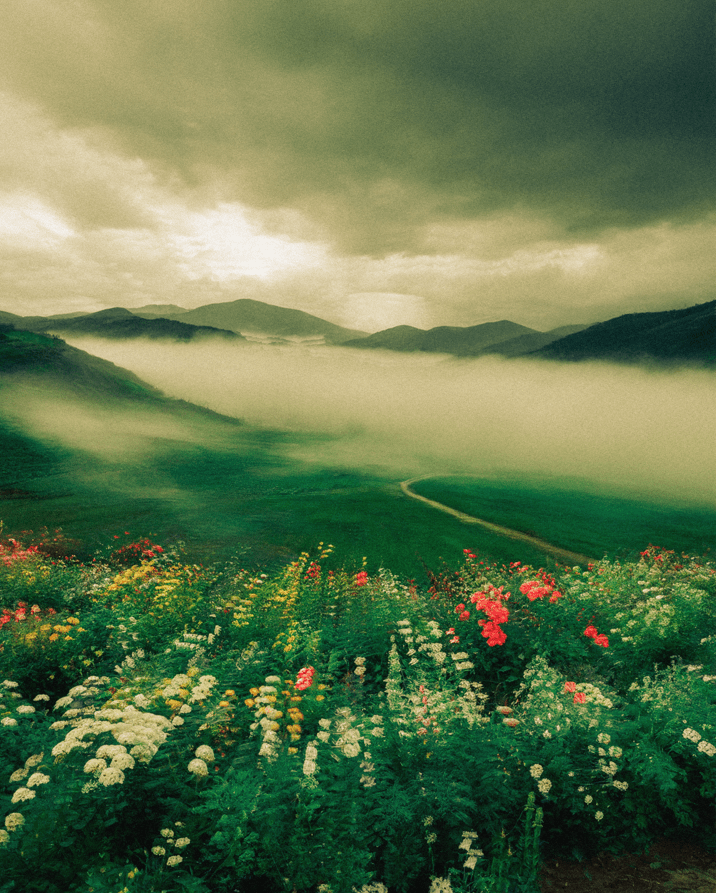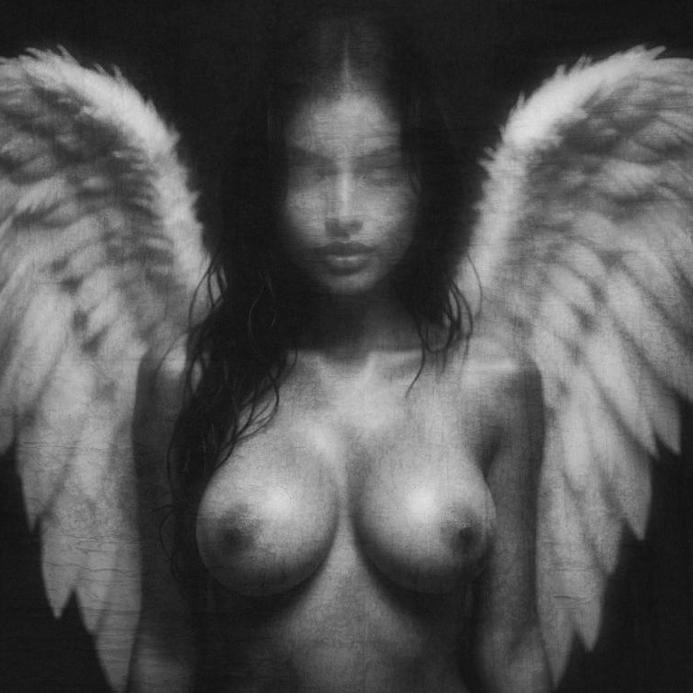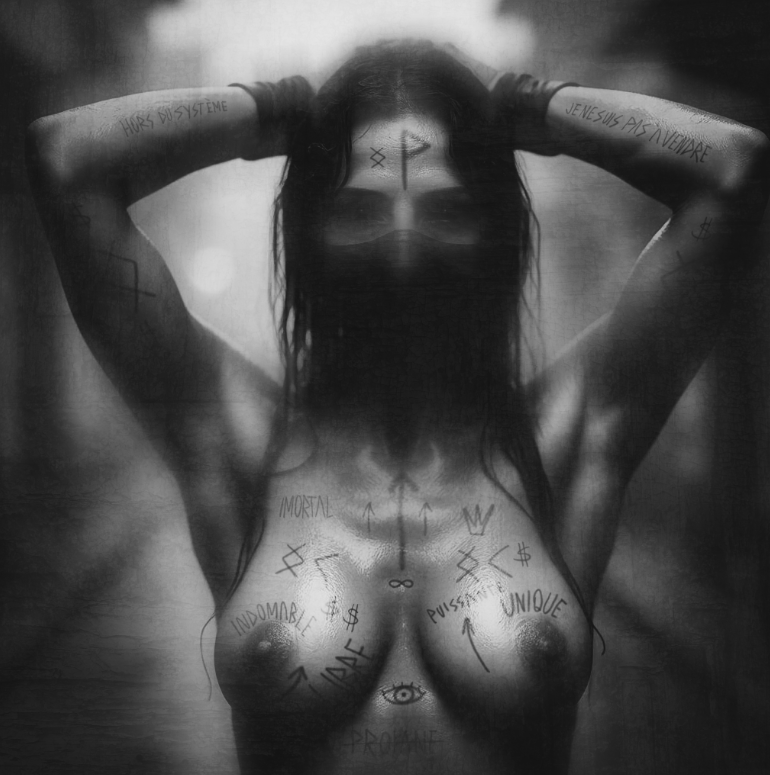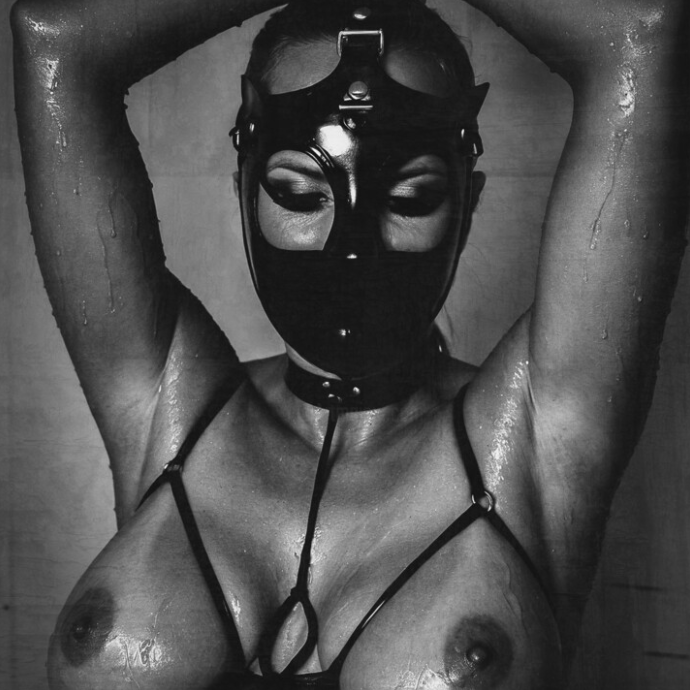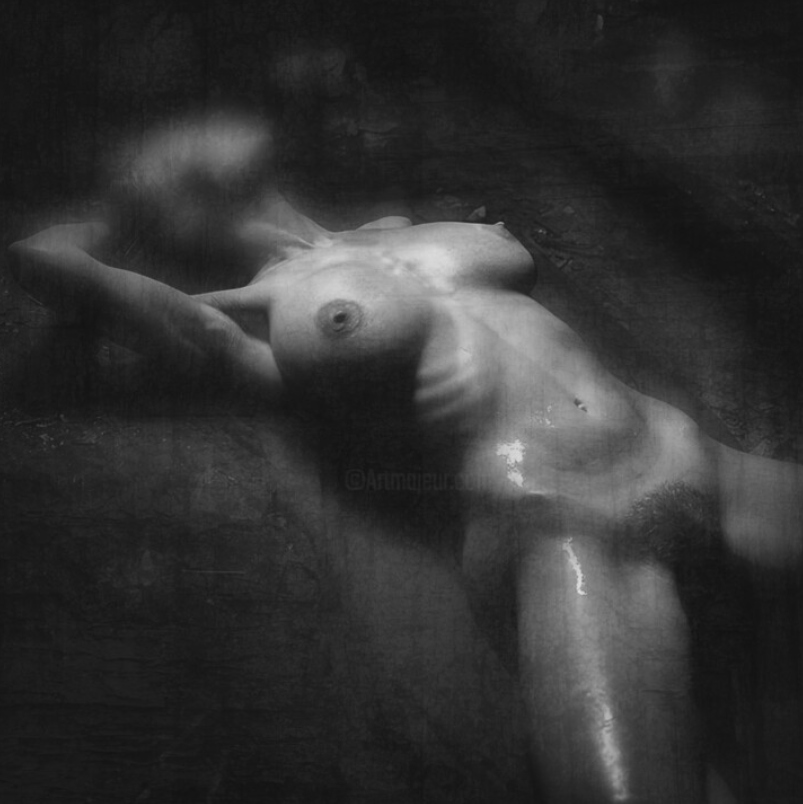
Nude art photography is not about showing.
It’s about revealing.
Revealing light, emotion, and truth.
You don’t need the most expensive gear.
You don’t need a huge studio or the latest full-frame camera.
What truly defines your art is your understanding of composition, light, and emotion.
Let’s start with the most important truth:
any camera is enough.
Even a Canon T5i, or any basic DSLR, can produce breathtaking results if you master the way you see.
Because the power of nude art photography doesn’t come from megapixels — it comes from your sensitivity.
A fine photograph begins in your mind, not in your lens.
Learn to see light as paint, and the human body as sculpture.
Each shadow, each curve, each reflection of the skin tells a silent story.
What really makes the difference is how you edit.
Your post-production defines the final emotion.
Editing is where art happens.
That’s where your style takes shape.
Use Photoshop — or better, modern tools like Dehancer or Retouch4me.
Dehancer gives cinematic depth, that film-like texture that makes the image look alive.
Retouch4me, on the other hand, saves hours in skin balance, texture correction, and light recovery.
Learn to enhance, not to distort.
The goal is not perfection — it’s expression.
👉DEHANCER: Get 10% OFF on any Dehancer license with the code HUEBARTS Link: https://www.dehancer.com/
Now let’s talk about the human side of this process.
How do you find a model?
Most artists begin through social media.
Instagram, ModelMayhem, or even local photography groups — all are valid places to start.
When you contact a model, be direct, respectful, and professional.
Explain your artistic purpose clearly: what you want to express, how the shoot will be conducted, and what the images will be used for.
You can offer a fee, or you can propose a trade collaboration — what photographers often call “TFP.”
That means both sides benefit: you get images to build your portfolio, and the model gets photos for hers.
But no matter what kind of collaboration you choose,
always use a contract.
This is not optional.
A signed model release protects both of you.
If you ever want to sell the images, post them online, or exhibit them, you need written permission.
It’s not only a legal safeguard — it’s a sign of professionalism.
Your contract should clearly state what can be done with the photos, who owns the rights, whether they can be printed or sold, and if the model allows publication on social media or galleries.
Never skip this step. It’s what separates amateurs from professionals.
Once the agreement is done, you must prepare yourself.
A good photoshoot is 80% preparation and 20% execution.
Study poses before the day of the session.
Don’t arrive without a plan.
Look at references from iconic photographers — people like Helmut Newton, Edward Weston, Herb Ritts, or modern fine art photographers from platforms like Artmajeur and Saatchi Art.
Observe how they use the body as a form of geometry.
Study how they guide emotion through posture, how they balance tension and relaxation, how they sculpt the body with light.
When you understand these foundations, you can direct your model with confidence.
The model expects guidance from you.
She can’t see what the camera sees.
So you must know what works.
Try poses that highlight lines — the shoulder line, the curve of the hips, the gentle tension of a hand.
Pay attention to posture, breathing, and natural transitions.
Don’t force positions that look artificial.
Natural movement always looks more elegant and timeless.
Now let’s talk about angles — the invisible language of your photo.
A slight tilt of the camera can change everything.
Shooting from above elongates the form, giving delicacy and authority.
Shooting from below adds power and weight, but can easily distort proportions if not handled with precision.
Side light is your ally.
It brings out texture — the subtle details of skin, hair, and muscle.
Use it to create depth.
Sometimes, a single beam of light is all you need to reveal the soul of the image.
Avoid direct frontal light unless you want to flatten the body intentionally.
Flat light kills texture — and texture is what gives life to nude art.
Work with contrast.
Play with chiaroscuro — the dance between light and darkness.
Every great nude artwork, from painting to photography, uses shadow as its main language.
Light is only powerful when darkness exists beside it.
Composition is equally crucial.
The rule of thirds works, but don’t be afraid to break it.
Frame the body as you would frame a sculpture in a museum.
Think about balance, space, rhythm.
The negative space — the empty area around the body — is just as important as the subject itself.
Now, let’s return to the editing phase.
When you open your photos in post, the temptation is to overdo it — more contrast, more saturation, more smoothness.
But fine art demands restraint.
It’s about revealing essence, not erasing reality.
Start with color balance and contrast.
Use subtle film emulation tools — that’s why Dehancer is brilliant.
Then move to fine retouching: clean distractions, enhance tone, but keep the pores, the shadows, the real light.
👉DEHANCER: Get 10% OFF on any Dehancer license with the code HUEBARTS Link: https://www.dehancer.com/
Fine art editing should feel invisible.
If the viewer notices your editing, you went too far.
A true master of nude art photography knows how to disappear behind the image.
Now let’s talk about the emotional dimension — the silent power behind every great photograph.
Your connection with the model is everything.
If she feels unsafe, the photo will look forced.
If she feels free and confident, the image will glow with authenticity.
Before shooting, talk.
Explain your vision, listen to her ideas, make her part of the process.
The more she trusts you, the more expressive she will become.
You’re not photographing a body — you’re photographing a moment of truth.
Direct her with clarity, but also with empathy.
Encourage her to breathe, to close her eyes between poses, to move naturally.
Capture the moments between poses — that’s where the magic happens.
At this point, your session is more than photography — it’s communication through silence.
So, to recap the essence of today’s lesson:
You don’t need expensive gear.
You need vision.
You don’t need hundreds of models.
You need connection and respect.
You don’t need thousands of followers.
You need authenticity and a unique eye.
Nude art photography is a journey of honesty.
It’s about capturing the human form as a reflection of emotion — raw, elegant, and timeless.
Practice, learn, refine your editing, and build a portfolio that speaks for itself.
When people feel something from your image, when they stop scrolling and simply stare — that’s when you know you’ve created art.
If you want to go deeper into the process of creating fine art nude photography Try my Patreon for 7 days FREE and explore the full experience: https://www.patreon.com/c/felipeh