Are You Really Seeing Art—Or Being Controlled by It?
You’ve probably stood in a modern art gallery, looked at a piece, and felt like you’re the only one not in on the joke. But what if the joke is actually on you?
The truth is, a simple color choice or a seemingly random object might be part of a secret language—one designed to manipulate your feelings about power, consumerism, and even your own freedom.
Contemporary artists are masters of visual seduction. They embed symbols in their work to challenge and comment on everything from government authority to your identity.
Let’s decode this secret language together.
The Symbols of the Street
How Banksy Turned Rats and Balloons Into Weapons of Protest
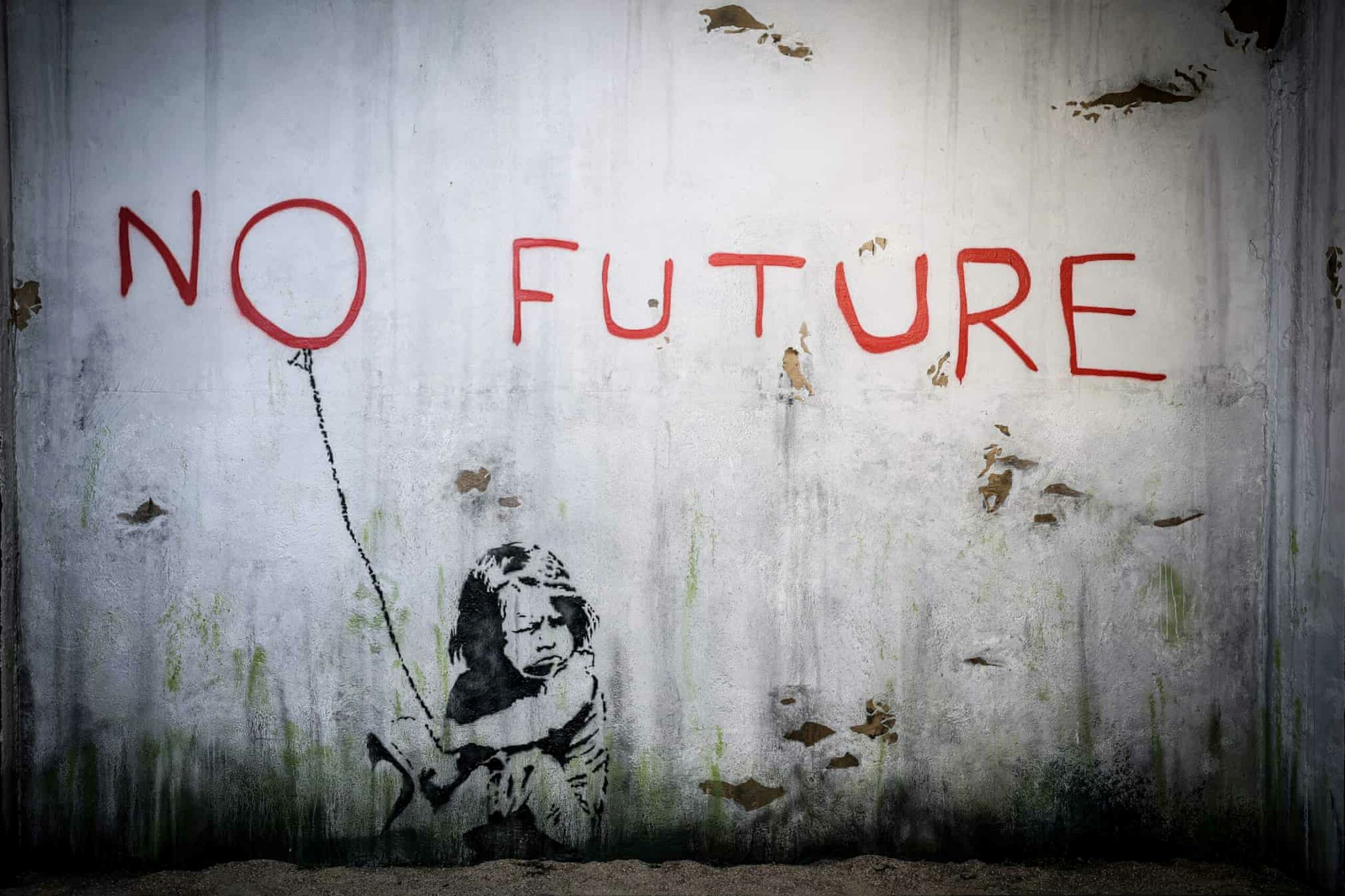
Let’s start with an artist you probably know: Banksy. His stenciled rats are more than urban decoration—they’re symbols of rebellion. According to Banksy, rats “exist without permission; they are hated, hunted, and can bring civilizations to their knees.”
In other words, the rat becomes a powerful stand-in for the overlooked and oppressed. Similarly, his iconic “Girl with Balloon” reflects the fragile nature of hope and innocence.
By placing his work directly in public spaces, Banksy bypasses traditional art institutions and forces everyday people to confront messages about power, loss, and resistance—whether they want to or not.
The Art of Defiance
Ai Weiwei’s Jade Handcuffs: Turning Oppression Into Luxury
This manipulation isn’t confined to street art. Some artists confront power face-to-face.
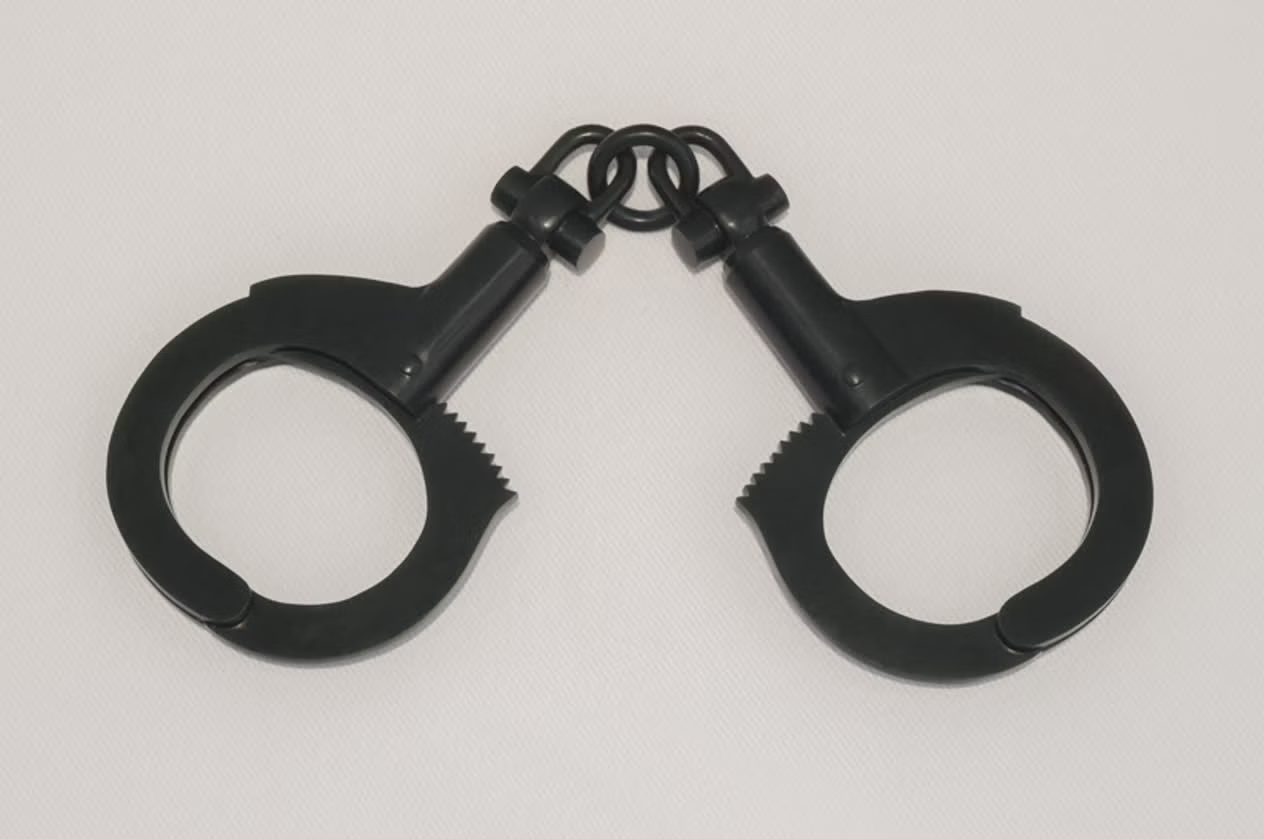
Ai Weiwei, the provocative Chinese artist, created a sculpture of jade handcuffs after being detained by the Chinese government. Jade—historically a symbol of power and wealth in China—was transformed into a symbol of imprisonment.
The result? A brutal inversion: what once stood for elite control now stands for personal resistance. It’s a deeply symbolic gesture of defiance, transforming an instrument of control into an artifact of rebellion.
The Shadows of History
Kara Walker’s Silhouettes Show What’s Missing
Not all manipulation comes from what we see. Sometimes, it’s about what’s absent.
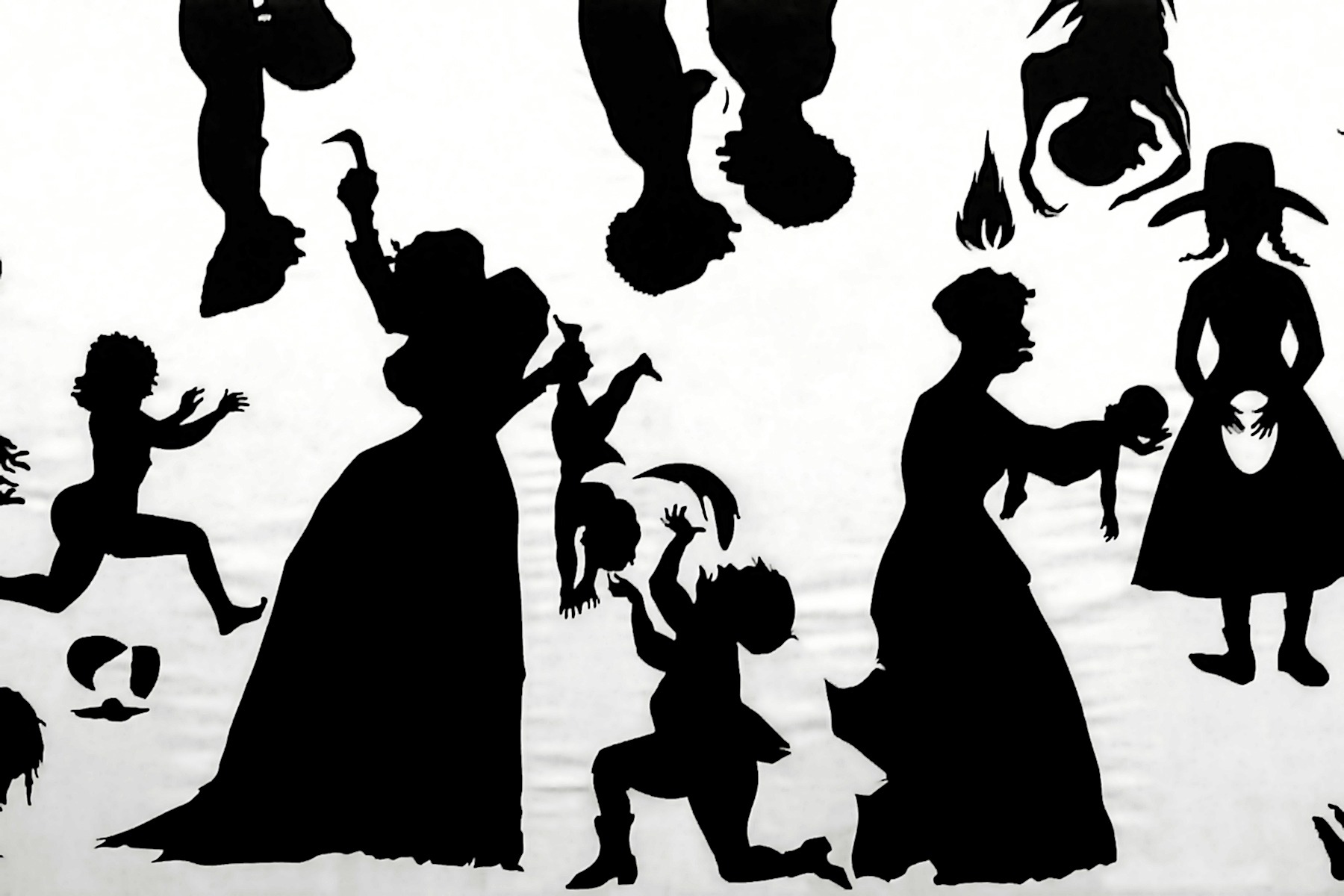
Kara Walker uses paper-cut silhouettes to depict disturbing narratives rooted in slavery and racism. At a distance, her works appear decorative—even charming. But upon closer inspection, the shadows reveal graphic scenes of violence and oppression.
Her silhouettes act as haunting metaphors—reminding us how entire groups have been historically reduced to mere outlines, stereotypes, or “shadows” of humanity. Walker forces viewers to confront truths many would rather ignore.
The Price of Everything
Koons, Hirst, and the Economics of Absurdity
What about artists who seem obsessed with nothing? That’s where Jeff Koons and Damien Hirst come in.
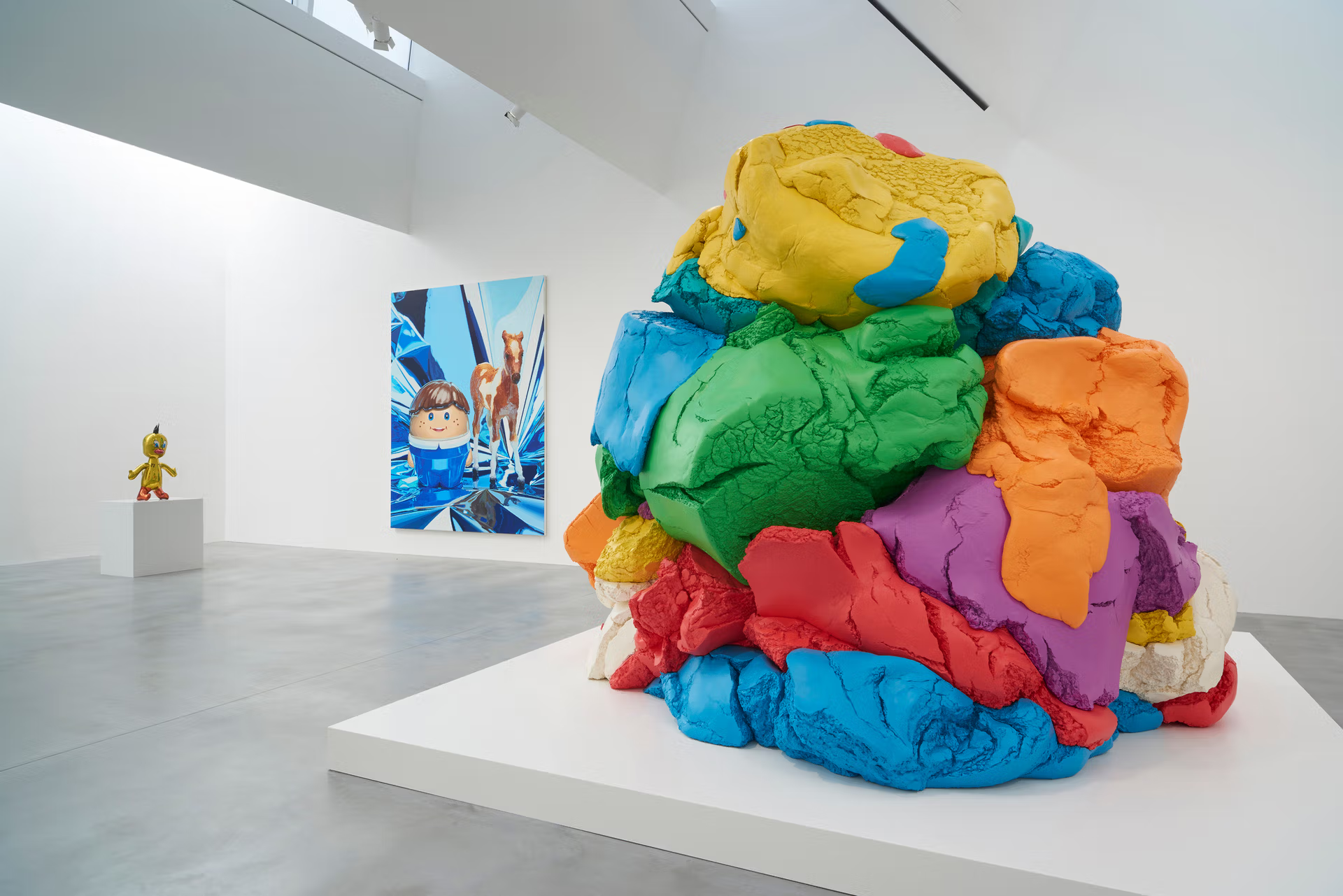
Koons turns kitsch into gold—literally. His giant balloon dogs, crafted in polished steel and sold for millions, reflect the absurdity of consumer culture. What once was disposable becomes sacred—and outrageously valuable.
Then there’s Hirst, who gave us a diamond-encrusted human skull titled For the Love of God. The message is twisted and brilliant: a literal memento mori made of extravagance. Life, death, and wealth collapse into a symbol of modern vanity.
Hirst doesn’t just make art—he manipulates the very market it’s sold in. The value of his work is part of the message.
The Language of the Mind
Yayoi Kusama and the Polka Dots of Infinity
Not all manipulation is social or political. Sometimes it’s psychological.
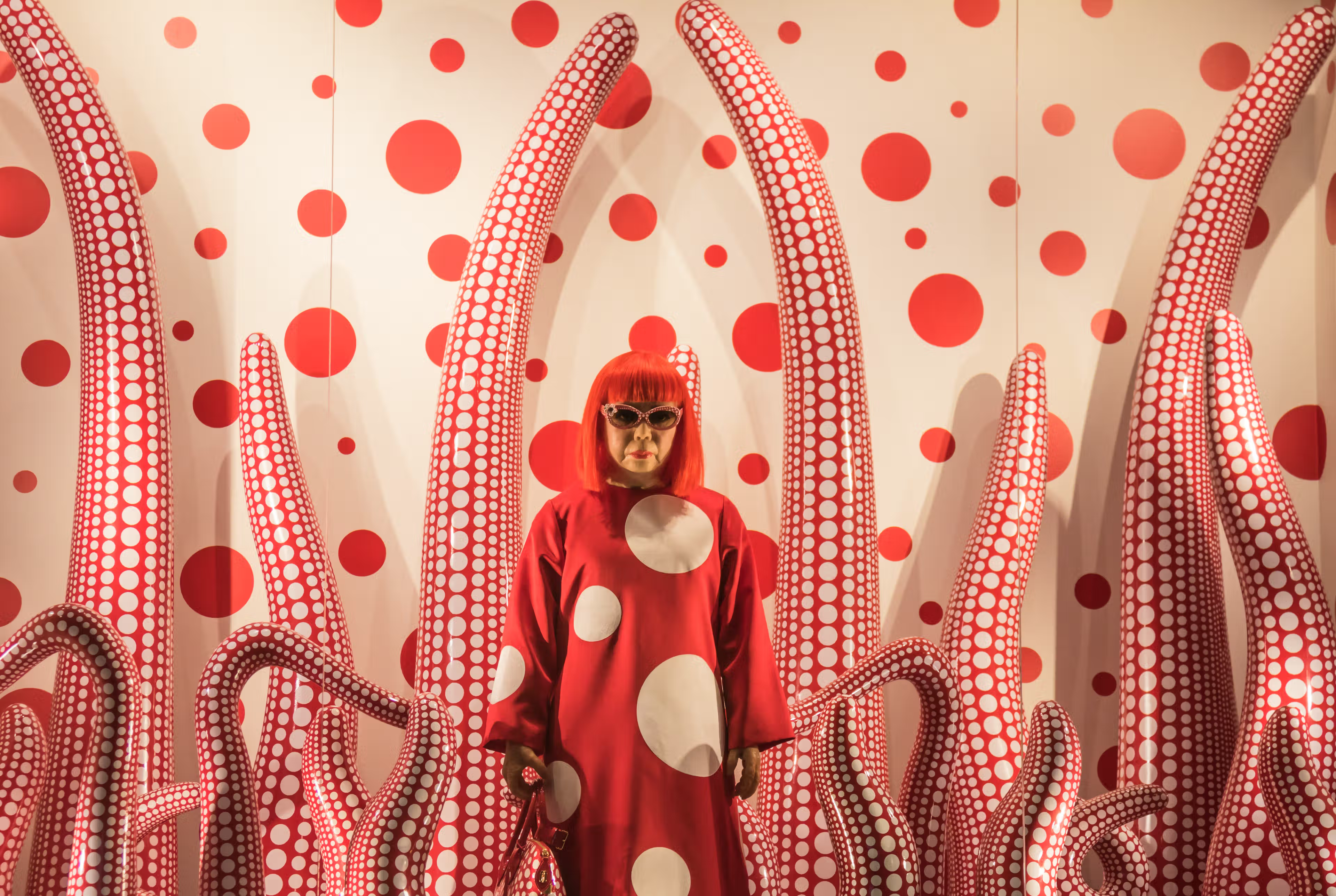
Yayoi Kusama, famously known as the “Princess of Polka Dots,” creates immersive installations filled with repeating patterns. But those dots are more than aesthetic choices—they come from a life filled with hallucinations and mental health battles.
Her “infinity nets” invite you to lose yourself—literally. The patterns erase boundaries between self and space, pulling viewers into a meditative disorientation.
Kusama’s art manipulates your mind gently, not to provoke outrage, but to expand your perception. It’s visual therapy disguised as obsessive repetition.
The Art That Watches You Back
From jade handcuffs to rat graffiti, from shadows of trauma to sparkling skulls—modern art isn’t just decoration. It’s a language. A system of codes designed to challenge your beliefs, unsettle your senses, and reprogram the way you see the world.
This isn’t just about beauty. It’s about power, identity, and control.
Art isn’t something you simply look at. It’s something that looks back, daring you to think deeper, feel stronger, and question more.
By Felipe H.